
Guides in Venecia & Río Cuarto
Most people planning a trip to northern Costa Rica default to La Fortuna. It is the region's headline act, and it shows: in the traffic on Route 142, the resort prices, and the queue for a photo at every waterfall. But slide 45 minutes east, into the green folds of the San Carlos highlands, and you reach Venecia de San Carlos and neighboring Rio Cuarto, two quiet farming towns sitting almost exactly in the middle of everything worth driving to up here, and almost nobody uses them as a base.
That is the whole argument for Venecia. It is roughly 2 to 2.5 hours from San Jose, about 45 minutes from the waterfall cluster of Bajos del Toro, minutes from two of the country's deepest volcanic crater lakes, a short drive from a locals' hot-spring river that costs a fraction of the big La Fortuna resorts, and within day-trip reach of Sarapiqui for rafting and night wildlife walks. From one calm bed you can reach rainforest, waterfalls, hot water, and open crater lakes, without ever paying La Fortuna prices or fighting La Fortuna crowds.
This guide is our honest case for basing yourself here: what to actually do, how far each thing really is, a suggested 3 to 4 day plan, where to stay, and the practical details (roads, weather, cash) that decide whether a trip runs smoothly. We live and travel in this zone, so the distances and trade-offs below are the real ones, not brochure math.
Why Visit
Budget-Friendly
Hotels from $40-65/night, half the price of La Fortuna
Strategic Location
Perfect base for Bajos del Toro, La Fortuna, and Sarapiquí
Authentic Costa Rica
Rural towns with real tico culture, zero tourist infrastructure
Area Quick Facts
- Best Time to Visit
- Year-round, December to April is driest
- How Many Days
- 2–4 days as a base
- Nearest Town / Services
- Ciudad Quesada (20 min), ATM, gas, hospital
- Cell Service
- Good in towns, spotty in rural areas
- Payment Methods
- Cash preferred at most local businesses
Why base yourself in Venecia (instead of La Fortuna)
Venecia's advantage is geometry. La Fortuna is a fantastic destination but a lopsided base: it is excellent for Arenal and hot springs, then a long haul to everything else. Venecia sits in the interior of the northern zone, so the drives fan out short in every direction: the waterfalls of Bajos del Toro to the south, the crater lakes to the east and north, Sarapiqui's rivers to the northeast. Nothing here is a headline must-see with a tour-bus parking lot, which is exactly why it stays uncrowded and affordable.
The trade-off is honest: Venecia is a working agricultural town, not a tourist strip. You will not find a walkable street of souvenir shops, a dozen restaurants, or nightlife. What you get instead is quiet, real local prices, dark skies, and a car-based hub from which the good stuff is a short hop. If you want to be entertained in town, base in La Fortuna. If you want a calm home base to explore from, base in Venecia.
Getting to Venecia and getting around
From San Jose or the SJO airport, plan roughly 2 to 2.5 hours by car, mostly on good highway to Ciudad Quesada (San Carlos) and then down into Venecia. The drive itself is scenic, through coffee, sugar cane, and dairy country, and manageable in any vehicle for the main routes. Coming from La Fortuna, Venecia is a straightforward connection through the San Carlos plains.
You need a car. This is the single most important practical fact about basing in Venecia. The attractions are spread across a rural region with limited public transport, and the best of them (crater lakes, some waterfall trailheads) sit on secondary roads. A standard car handles most paved routes; a higher-clearance vehicle or 4x4 buys you confidence on rougher access roads and in the rainy season. Fuel up in Venecia or Rio Cuarto rather than assuming a station at the trailhead.
Waterfalls near Venecia: the Bajos del Toro cluster
The waterfall engine of this trip is Bajos del Toro, about 45 minutes south into the mountains. It packs an absurd density of falls into one small valley, and it is the reason Venecia works as a waterfall base without living inside a tourist town. Start with the two icons: Catarata del Toro, a roughly 90-meter plunge into an ancient volcanic crater, and the electric-blue Blue Falls complex of multiple falls and swimming pools.
For hikers and adventurers, the valley keeps giving: Jurassic Canyon is a more challenging canyon hike, and the family-friendly Rio Agrio and Pozas Celestes area offers bright-blue pools with easier access. You can happily spend one full day, or two relaxed ones, just on the Bajos del Toro waterfalls out of Venecia. For exact fees, hours, and trail difficulty, see the individual guide for each waterfall before you go.
Crater lakes: Laguna de Hule and Laguna de Rio Cuarto
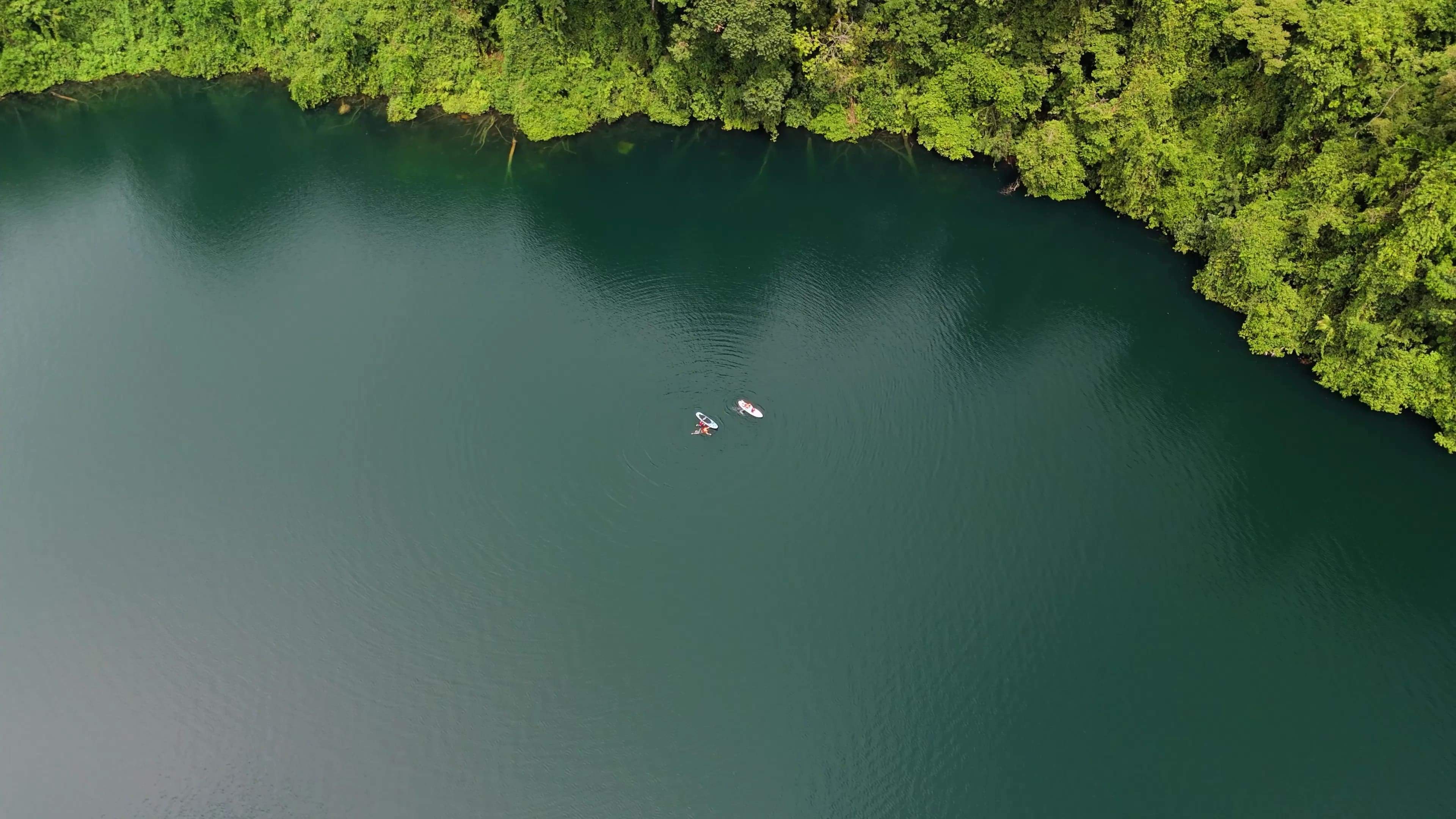
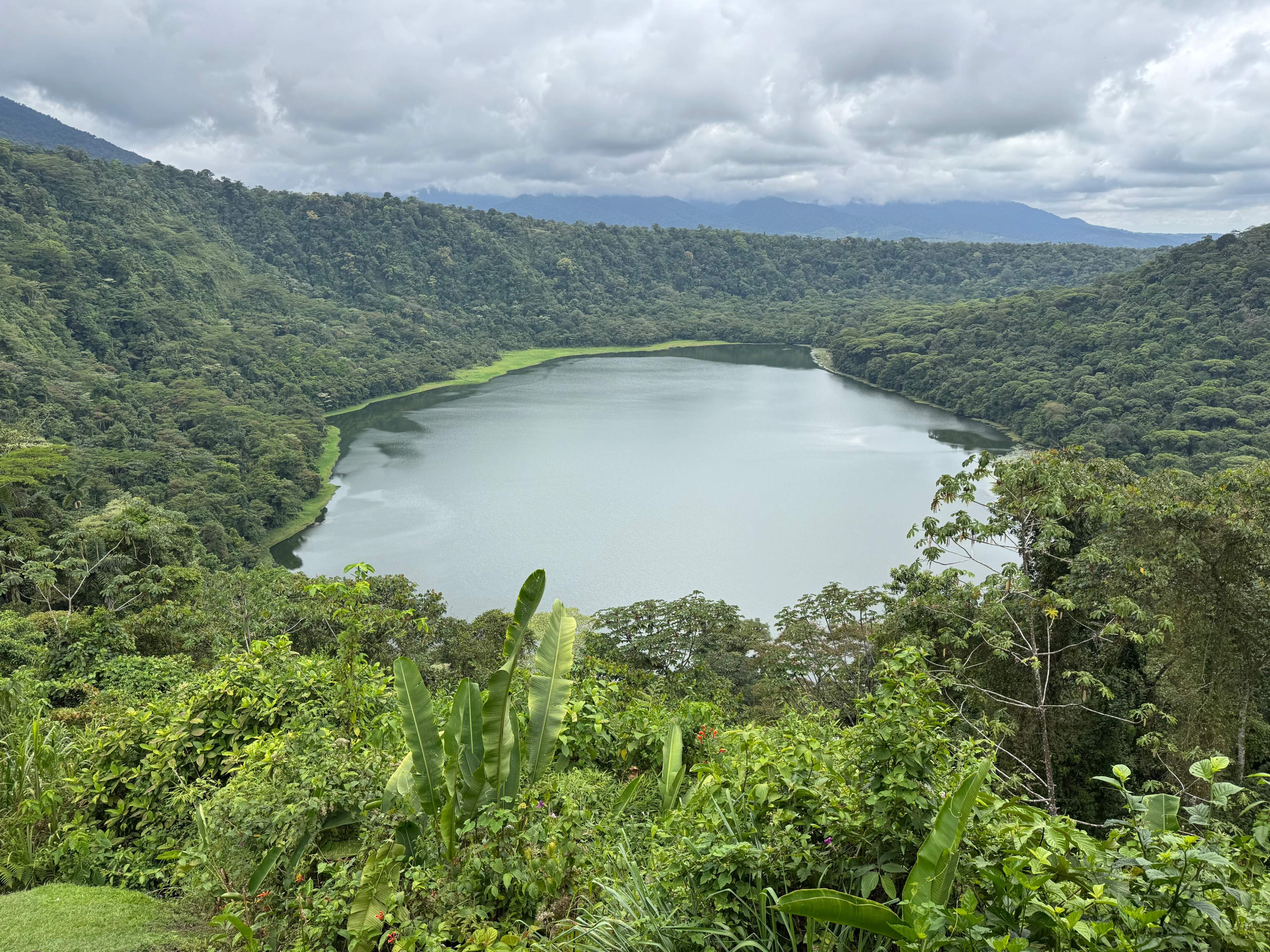
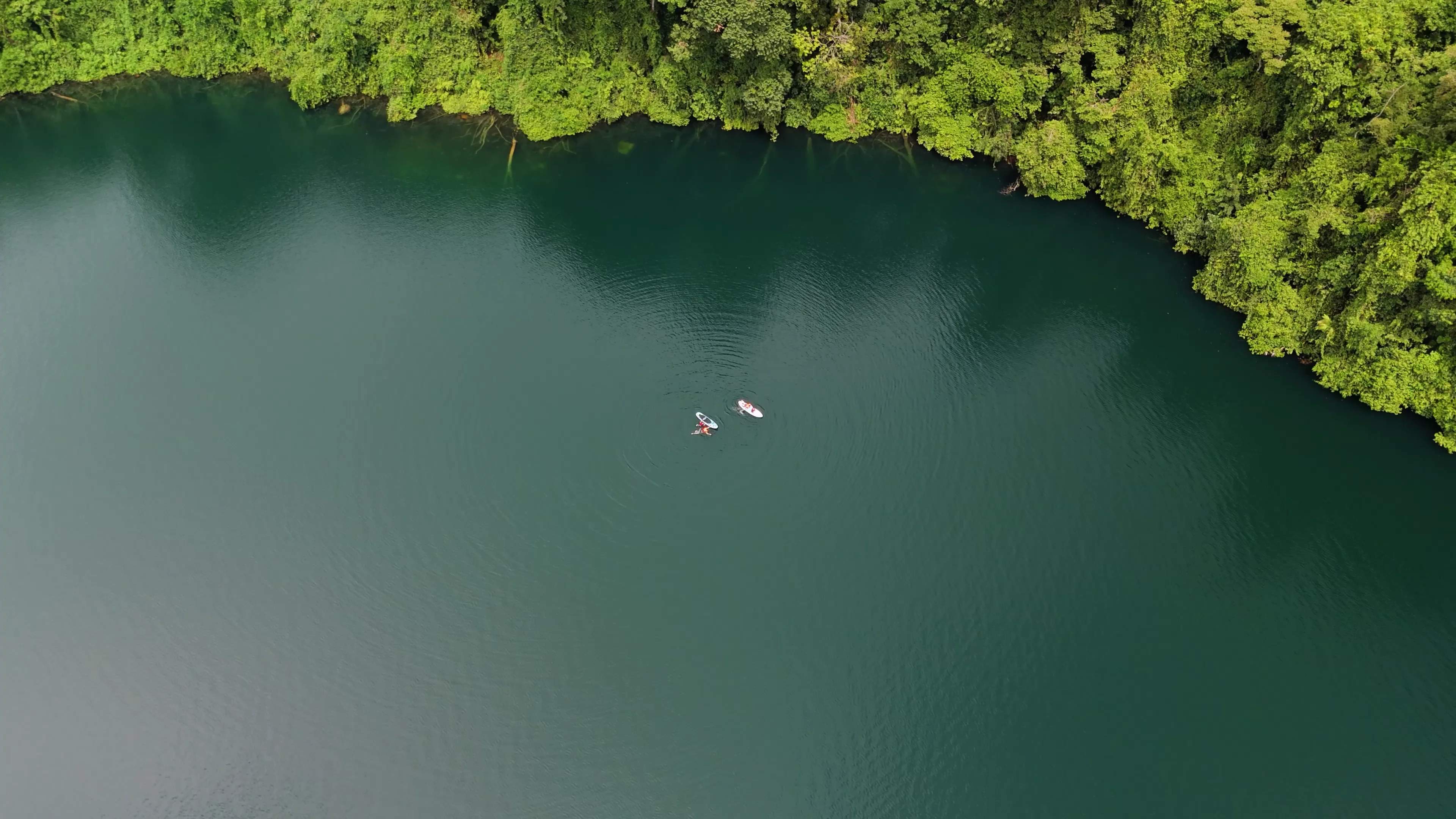
This is Venecia's signature, the thing La Fortuna simply does not have on its doorstep. Laguna de Hule sits in a volcanic caldera and is one of the deepest crater lakes in the country, ringed by forest and birdlife, a quiet spot for a walk, a paddle, and wildlife watching rather than a built-up attraction. Nearby, Laguna de Rio Cuarto is a strikingly circular, deep crater lake popular for kayaking, paddleboarding, and swimming in calm blue water.
Both are close to Venecia and Rio Cuarto, uncrowded on most days, and give the trip a completely different texture from waterfall hiking. They are the easiest slow-morning option in the whole plan: low effort, high payoff, and genuinely rare scenery. For exact depths, fees, and how to reach each shoreline, see the individual guides, those are the details worth checking fresh before you go.
Hot springs without the resort price: Recreo Verde
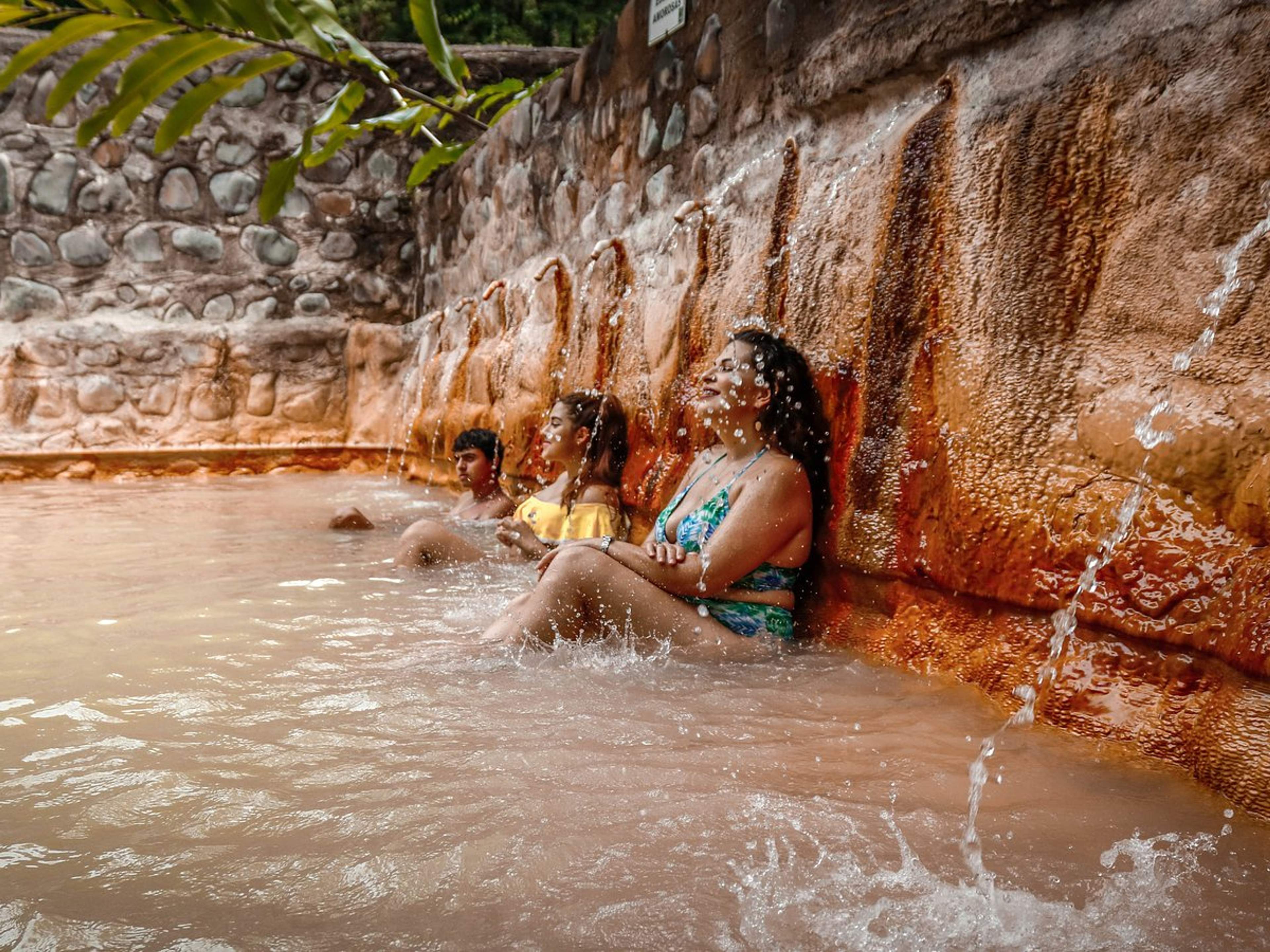
La Fortuna's hot springs are famous and expensive; a single resort day pass can run near a hundred dollars. Venecia's answer is Recreo Verde in Marsella de Venecia, a locals' hot-spring and river complex where geothermal water meets a mountain river, for a small fraction of the resort price. It is the perfect end to a hard hiking day: soak tired legs, then drive ten minutes home.
Recreo Verde is unpretentious, think natural pools, a river, and a relaxed local crowd rather than swim-up bars and manicured landscaping. That is the point. You get the same volcanic hot water the region is known for, at a price that lets you go more than once, without the resort markup baked into the La Fortuna experience. Check the current entrance fee and hours in the individual guide before you go.
Sarapiqui adventures: rafting and night wildlife
When you want adrenaline and rainforest wildlife, point the car northeast to Sarapiqui (La Virgen is the rafting hub), an easy day trip from Venecia. The Rio Sarapiqui is Costa Rica's classic accessible whitewater run, with sections from gentle Class II family floats up to serious Class III to IV rapids, guided by long-established local operators. It is the single best big adventure day you can bolt onto a Venecia base.
Sarapiqui is also prime wildlife country. A safari float, a calm raft drift rather than whitewater, is one of the best ways to see sloths, monkeys, caimans, and river birds, and a night wildlife tour flips the rainforest into a completely different world of frogs, insects, and nocturnal mammals. Rafting in the morning, wildlife after dark, home to Venecia the same day. Book rafting with a reputable operator and confirm the class of run that suits your group.
A suggested 3 to 4 day itinerary from Venecia
One base, zero repacking, that is the pitch. A sample rhythm:
- Day 1, arrive and ease in. Drive from San Jose (about 2 to 2.5 hours), settle into Venecia, and take a gentle first afternoon at a crater lake: Laguna de Rio Cuarto for a swim or paddle, or Laguna de Hule for a quiet walk.
- Day 2, waterfall day in Bajos del Toro. Catarata del Toro and Blue Falls, then close the day soaking at Recreo Verde hot springs on the way home.
- Day 3, Sarapiqui adventure. Whitewater rafting or a wildlife safari float; add a night wildlife tour if you still have energy.
- Day 4 (optional), adventure or slow morning. Either the tougher Jurassic Canyon hike and the family pools at Rio Agrio, or a relaxed final morning at a lake before driving out.
Flex it to taste: two waterfall days if you love falls, an extra lake morning if you want to slow down. The beauty of a central base is that you swap the itinerary, not the hotel.
Best time to visit
Northern Costa Rica has two broad seasons. Dry season (roughly December to April) brings the most reliable sun, the easiest road conditions, and the strongest waterfall light, the safest window for a first visit, and the busiest for the region's few tourist spots (still quiet by La Fortuna standards). Green season (roughly May to November) trades some afternoon rain for lush landscapes, fuller waterfalls, and the lowest prices; mornings are frequently clear, so start early.
Whenever you come, treat mornings as prime time: aim to hit trailheads and lakes early, keep afternoons flexible for rain, and save hot springs for the wet end of the day. Rafting flows are strong in green season; wildlife is good year-round.
Where to stay and practical tips
Accommodation here is small-scale and local: guesthouses, cabinas, and vacation rentals set among farms and forest rather than a hotel strip. That suits the trip, you are using the room as a launchpad and paying rural prices, not resort ones. Base in or right around Venecia to stay central to Bajos del Toro, the lakes, and the hot springs; Rio Cuarto works well if the crater lakes and Sarapiqui are your priority. Wherever you land, confirm the driving route with your host before arrival, GPS can be optimistic on the region's secondary roads.
A few practical tips that make the trip run smoothly:
- Rent a car. Non-negotiable for a Venecia base; a higher-clearance vehicle helps in green season and on trailhead roads.
- Carry cash in colones. Small local operators, hot springs, and some entrances prefer cash; do not assume card readers at rural sites.
- Start early. Beat both the afternoon rain and the modest crowds; many falls and lakes are best in morning light.
- Fuel and supplies in town. Gas up and grab water and snacks in Venecia or Rio Cuarto before heading to trailheads.
- Check each guide before you go. Fees, hours, and road access change; the individual attraction guides carry the current, verified details.
- Manage expectations about town. Venecia is quiet and local; embrace it as a base, not a destination in itself.
Local Tips
Frequently Asked Questions
Where is Venecia de San Carlos, and how far is it from San Jose?
Venecia is a small town in the San Carlos highlands of Costa Rica's northern zone, roughly 2 to 2.5 hours by car from San Jose and the SJO airport. It sits centrally between the Bajos del Toro waterfalls, the region's crater lakes, and Sarapiqui, which is what makes it a strong touring base.
Is Venecia a good alternative to La Fortuna?
For travelers who want a calm, affordable base to explore from, yes. Venecia is more central to the northern interior, far less crowded, and much cheaper, with local hot springs at a small fraction of La Fortuna's resort day passes. The trade-off is that Venecia is a quiet farming town without La Fortuna's restaurants and nightlife, so it is a base, not an entertainment destination.
Do I need a rental car to stay in Venecia?
Yes. The attractions are spread across rural roads with limited public transport, so a car is essential. A standard car handles the main paved routes; a higher-clearance vehicle or 4x4 adds confidence on trailhead access roads and during the rainy season.
What are the best things to do near Venecia?
The highlights are the Bajos del Toro waterfalls (Catarata del Toro, Blue Falls, Jurassic Canyon, Rio Agrio) about 45 minutes away, the crater lakes Laguna de Hule and Laguna de Rio Cuarto, the Recreo Verde hot springs in Marsella, and day trips to Sarapiqui for whitewater rafting and wildlife tours.
How many days should I spend based in Venecia?
Three to four days is the sweet spot: one waterfall day in Bajos del Toro, one crater-lake day, one Sarapiqui adventure day, and an optional flex day for a tougher hike or a slow morning. You can do it all from a single base without changing hotels.
Are there hot springs near Venecia like in La Fortuna?
Yes. Recreo Verde in Marsella de Venecia is a natural hot-spring and river complex fed by the same kind of volcanic geothermal water, at a small fraction of La Fortuna's resort prices. It is lower-key and local, ideal after a day of hiking.
What is there to do in Rio Cuarto, Costa Rica?
Rio Cuarto is best known for Laguna de Rio Cuarto, a deep, circular crater lake popular for kayaking, paddleboarding, and swimming, and it is a short drive from Laguna de Hule and Sarapiqui. It works well as a base if lakes and rivers are your priority.
When is the best time to visit the Venecia and northern zone?
Dry season (about December to April) gives the most reliable sun and easiest roads; green season (about May to November) is lush, cheaper, and has fuller waterfalls with mostly clear mornings and afternoon rain. Either way, start early to get the best light and beat the rain.
Where to Eat
- Donde Pity: In Río Cuarto town. Local, no-frills Costa Rican food at very fair prices. Big casados, grilled meats, fresh tortillas, and generous portions. A perfect refuel stop on your way back toward Venecia.
- Guayabo's Gourmet: In the Venecia area. One of the best restaurants in the region. Elevated Costa Rican and international cuisine in a beautiful setting. If you're staying near Venecia, this is your dinner spot.
- Soda La Casona de Río Cuarto: A classic local soda near the town center. Traditional lunches, natural juices, and fast service. Simple, satisfying, and budget-friendly.
- Restaurante Mi Tierra: Right in Venecia town. A classic Costa Rican spot with hearty casados, grilled meats, and homemade sides. Casual, affordable, and reliable after a long canyon day.