
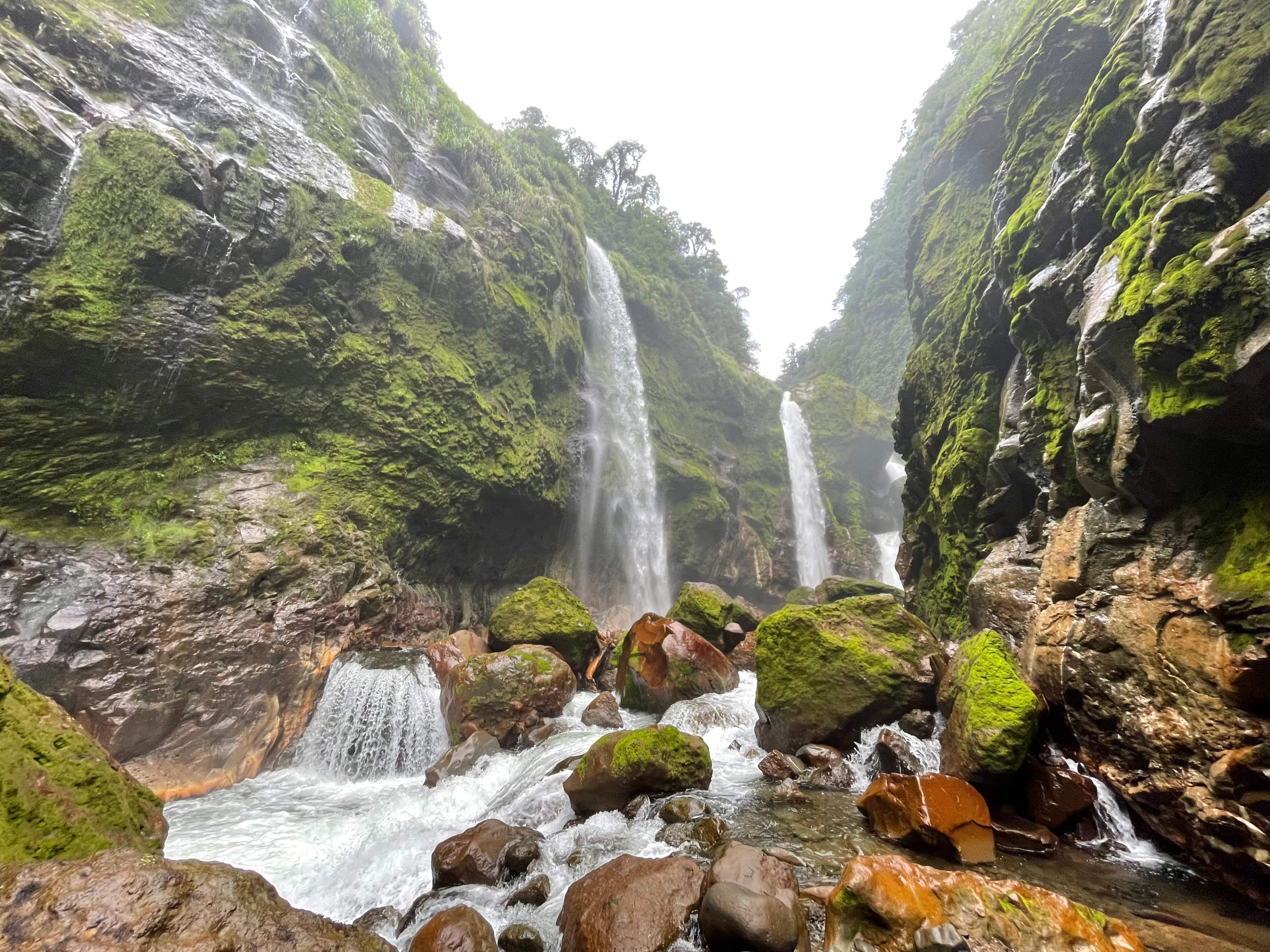
Jurassic Canyon, also known as Quebrada Gata, is one of the most spectacular hidden hikes in Costa Rica. Tucked deep in the rainforest near Bajos del Toro and the town of Venecia, this dramatic slot canyon features towering rock walls carved by the river over thousands of years. Many travelers combine it with Barroso Waterfall, but before planning your visit, there’s one key question: do you need a guide to hike Jurassic Canyon? Here’s everything you should know before going.
Quick Facts
- Location
- Venecia, San Carlos. Alajuela Province, near the Toro II hydroelectric plant
- Distance
- ~35 min from Venecia · ~1 hr from La Fortuna · ~2 hr from San José
- Difficulty
- ChallengingSteep initial descent, multiple river crossings, scrambling over rocks...
- Guide
- Mandatory: authorized guide required
- Best Time to Visit
- Dry season (December–April). Start at 7:00 AM for the best light and water color.
Getting There
By Car (Recommended)
The canyon is accessed from Route 708, the road that runs north-south through Bajos del Toro towards Río Cuarto. Your guide will give you a specific meeting point, but here's how to get to the area:
From Venecia / Marsella: Head south on Route 708 toward Bajos del Toro. The meeting point is typically about 35 minutes from Venecia center. The road is paved but has potholes in sections, drive carefully but a standard rental car is fine.
From La Fortuna: Take the route towards San Ramón / Zarcero, then follow signs to Bajos del Toro via Route 708 from the north. Approximately 1 hour. Some guides offer pickup from La Fortuna for an additional fee.
From San José: Take the Interamericana Norte toward Naranjo, then through Zarcero and down to Bajos del Toro area via Route 126 connecting to 708. Approximately 2 hours. Important: Do NOT take the route Google Maps sometimes suggests through Sarchí and the southern approach, it's extremely steep, narrow, and full of potholes. Instead, go around via the northern route through Zarcero. It's barely longer but significantly safer and more comfortable.
Parking: You'll park on the side of the road near the hydroelectric plant entrance. There is no formal parking lot, your guide will direct you. The area is safe, but don't leave valuables visible in the car.
Can I Take a Bus?
Not practically. There is no public bus that goes directly to the trailhead. You could take a bus from San José to Zarcero or Ciudad Quesada and arrange a taxi from there, but this gets expensive and complicated. Renting a car is strongly recommended for the entire Bajos del Toro area.
What to Expect
The First 30 Minutes: The Descent
The hike begins with a steep descent of about 1 kilometer from the road down to the river level. This is the most physically demanding part in terms of elevation, and remember, you'll have to climb back up at the end when you're already tired and wet. The trail is dirt and can be slippery, especially after rain. Trekking poles help here if you have them, though most guides don't consider them essential.
As you descend, the temperature drops and the air gets humid. The vegetation thickens. You start hearing the river before you see it.
Entering the Canyon
Once you reach the river, the real adventure begins. You'll be walking in the water for significant portions of the hike, not alongside it, but through it. The river crossings range from ankle-deep to waist-deep depending on the section and recent rainfall. The water is cold (refreshing after the initial descent, but genuinely cold, think mountain spring) and the rocks underneath are slippery.
Your guide will lead each crossing, showing you where to step and often offering a hand or a rope for the trickier sections. This is where proper footwear matters: water shoes with good grip or sturdy hiking sandals that strap on securely. Flip-flops will get ripped off your feet by the current.
Río Barroso Waterfall
The first major stop is the Río Barroso waterfall, which cascades into a narrow canyon with light blue water. The mineral content from the volcanic geology gives the river its distinctive color, an effect that's most vivid in the early morning before direct sunlight hits the canyon floor.
This is where you'll have your first "this can't be real" moment. The canyon walls tower above you, covered in thick green moss and ferns. The waterfall pours into a pool where you can swim, and you should, because the cold water is incredibly refreshing after the hike in and the color is something you have to see from inside the water to believe.
Quebrada Gata: The Main Event
Continuing deeper into the canyon, you reach Quebrada Gata, and this is the moment that makes people say this is the most beautiful place in Costa Rica.
Quebrada Gata isn't one waterfall. It's a wall of waterfalls. Multiple cascades, some thundering, some delicate mist, pour over a massive moss-covered rock face, dropping over 140 meters into the canyon below. The scale is difficult to convey in photos; standing at the base, looking up at water falling from every direction while surrounded by prehistoric-looking vegetation, you understand why it earned the "Jurassic" nickname.
You can swim in the pools at the base of some of the cascades. The water is cold but the experience of floating in a natural pool while waterfalls pour down around you is genuinely unforgettable.
The Return
The hike back follows the same route in reverse. The river crossings feel easier going back (you've done them once already and know where to step), but the final kilometer is the steep climb back to the road. Budget 45 minutes to an hour for this section and pace yourself, most groups are quiet on this stretch, happily exhausted.
You'll typically be back at your car by noon to early afternoon, depending on your start time and group pace.
What This Is Not
Let's be honest about a few things so you can decide if this is right for you:
It's not a casual walk. If you're looking for a paved path to a waterfall viewpoint, try Catarata del Toro instead (which is spectacular in its own right and only 15 minutes away). The Jurassic Canyon requires real physical effort and comfort with getting wet and dirty.
It's not cheap. At $65–90 per person for the guided tour, it's one of the more expensive activities in the area. But compare that to $70+ for a zip-line tour near La Fortuna and consider what you're getting: a 5-6 hour private wilderness experience in a place most tourists will never see.
It's not Instagram-friendly in the traditional sense. You'll be muddy, wet, and your hair will be a disaster. The best photos will be candid shots of you mid-river-crossing or staring up at the waterfalls in awe, not posed influencer shots. And that's the whole point.
It IS the most memorable thing you'll do in Costa Rica. We've heard this from dozens of travelers, and after experiencing it ourselves, we agree. If you have the fitness level and the sense of adventure, don't skip this.
Recommended Guide Operators
Do You Need a Guide for Jurassic Canyon?
This isn't a suggestion, you genuinely cannot do the Jurassic Canyon hike without a guide. The canyon sits within the grounds of a hydroelectric plant, so access requires authorized permits. Beyond the legal requirement, the trail is unmarked in many sections, the river crossings can be dangerous without someone who knows the water levels and safe routes, and the area is remote enough that getting lost or injured alone would be a serious problem.
The good news: the guides who operate here are experienced, passionate, and deeply knowledgeable about the ecosystem. They'll point out plants, insects, and birds you'd never notice on your own, and most will take photos and videos of your group throughout the hike, often from angles you'd never get yourself.
Ecotours Toro Amarillo 360
Contact: Kenneth Ugalde
Kenneth is widely considered the pioneer of hiking in the Jurassic Canyon and has been guiding here for over eight years. He discovered many of the routes himself. His reviews are consistently outstanding, travelers describe him as knowledgeable, safety-conscious, and genuinely passionate about the area. He takes stunning photos and is bilingual (English/Spanish).
Languages: English, Spanish
Book via: Via whatsapp at +506 6022-6981
Tips from a Local
Frequently Asked Questions
Can you hike Jurassic Canyon (Quebrada Gata) without a guide?
No. A guide is mandatory for the Jurassic Canyon hike, and honestly it is essential rather than a formality. The route walks directly through the river with crossings from ankle- to waist-deep over slippery rocks, and your guide leads each crossing, shows you where to step, and offers a hand or rope on the trickier sections. Book a guided tour rather than trying to find the trailhead on your own.
How hard is the Jurassic Canyon hike, and who should not do it?
It is rated challenging and is not a casual walk. It starts with a steep 1 km descent to the river, involves waist-deep river crossings, and finishes with that same steep kilometer climbing back up when you are already tired and wet. It is not suitable for children under 14, for people with knee or mobility issues, or for anyone uncomfortable getting wet, since there is no dry option. If you want a paved viewpoint instead, the guide recommends nearby Catarata del Toro.
How long does the Jurassic Canyon tour take?
Plan for a full morning: the guided tour runs about 4 to 6 hours and covers roughly 11 km (6.8 miles) round trip. Most guides start at 7:00 AM for the best light and water color, and you will typically be back at your car by noon to early afternoon depending on your start time and group pace. Budget 45 minutes to an hour for the final steep climb back up to the road at the end.
How much does the Jurassic Canyon tour cost?
It is a guided-only tour, and the guided experience runs roughly $45 to $90 per person, making it one of the more expensive activities in the Bajos del Toro area. For that you get a 5 to 6 hour private wilderness experience in a place most tourists never see. Cash is preferred and some guides accept Sinpe Movil, so confirm the payment method with your guide when booking.
How do you get to Jurassic Canyon, and do you need a 4x4?
The canyon is accessed from Route 708 near the Toro II hydroelectric plant in the Venecia / Bajos del Toro area, and your guide gives you the exact meeting point. The road is paved with some potholes, so a standard rental car is fine and you do not need a 4x4. Coming from San Jose, do not follow the route Google Maps sometimes suggests through Sarchi, which is extremely steep and narrow; go around via the northern route through Zarcero instead. There is no practical public bus to the trailhead, so renting a car is strongly recommended.
What should you bring and wear for Jurassic Canyon?
You will get wet, so wear quick-dry clothes with a swimsuit underneath and bring water shoes or sturdy hiking sandals that strap on securely; flip-flops will get ripped off your feet by the current. Also pack a waterproof bag for your phone or camera, at least 1.5 liters of water, snacks, sunscreen, and insect repellent. Signal is weak in the canyon (Kolbi only), so download offline maps before you go, and note that trekking poles help on the steep descent though most guides do not consider them essential.
When is the best time to visit Jurassic Canyon, and can you swim there?
The best time is the dry season, December to April, and starting at 7:00 AM gives you the best light and the most vivid blue water color, which shows best in the early morning before direct sunlight hits the canyon floor. The trail is dirt and gets slippery after rain, and the depth of the river crossings varies with recent rainfall. Yes, you can swim: there are pools at Rio Barroso waterfall and at the base of the Quebrada Gata cascades. The water is genuinely cold, like a mountain spring, but floating there with waterfalls pouring around you is unforgettable.
Where to Eat
After the hike, you'll be starving. Here are the closest options:
- Donde Pity: In Río Cuarto town. Local, no-frills Costa Rican food at very fair prices. Big casados, grilled meats, fresh tortillas, and generous portions. A perfect refuel stop on your way back toward Venecia.
- Guayabo's Gourmet: In the Venecia area. One of the best restaurants in the region. Elevated Costa Rican and international cuisine in a beautiful setting. If you're staying near Venecia, this is your dinner spot.
- Soda La Casona de Río Cuarto: A classic local soda near the town center. Traditional lunches, natural juices, and fast service. Simple, satisfying, and budget-friendly.
- Restaurante Mi Tierra: Right in Venecia town. A classic Costa Rican spot with hearty casados, grilled meats, and homemade sides. Casual, affordable, and reliable after a long canyon day.
Where to Stay
The best strategy is to stay in the town of Venecia or Rio Cuarto, so you can start the canyon hike early without a long drive.
In Venecia (35 min from the canyon):
- Several well-reviewed Airbnb properties with great views and comfortable amenities, typically $100–$180 per night for couples. Staying here also gives you easy access to the ATV tours, canyoning, and Recreo Verde hot springs in Marsella.
- There's a few small local hotels and a beautiful boutique one called Finca 360
Good to Know
- Cell Service
- Kolbi only, weak signal in the canyon. Download offline maps.
- Payment
- Cash preferred. Some guides accept Sinpe Móvil. Confirm with your guide when booking.
- Accessibility
- Not suitable for children under 14, people with knee/mobility issues, or anyone uncomfortable with waist-deep river crossings. You will get wet, there is no dry option.
- What to Bring
- Water shoes or sturdy hiking sandals, quick-dry clothes, swimsuit (worn underneath), waterproof bag for phone/camera, water (1.5L minimum), snacks, sunscreen, insect repellent
- Meeting Point
- Your guide will send you the exact meeting point
Nearby
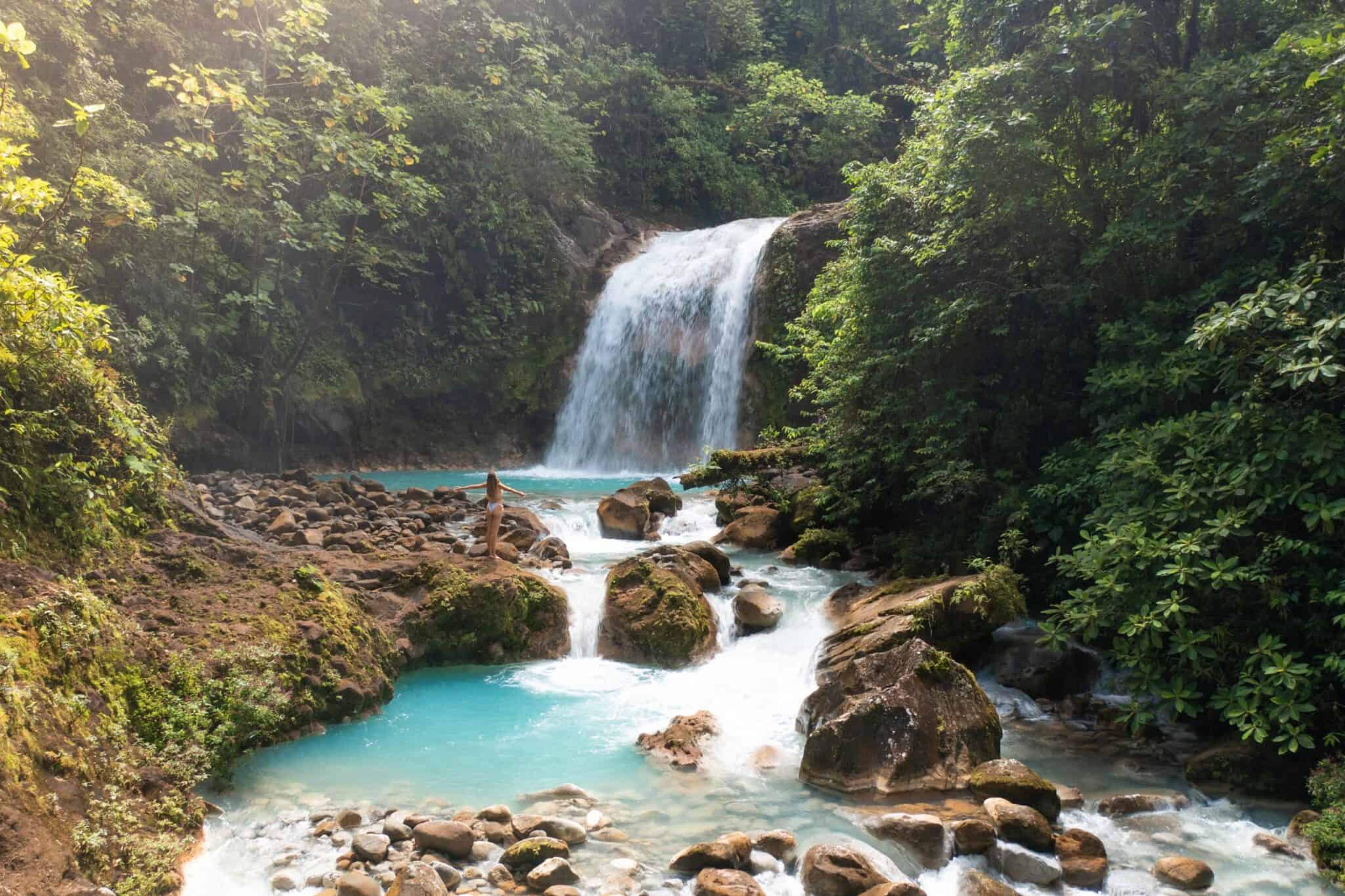
Blue Falls of Costa Rica
Six turquoise waterfalls with swimming pools on a 126-acre private reserve. The water color isn't photoshopped, it's even more vivid in person.
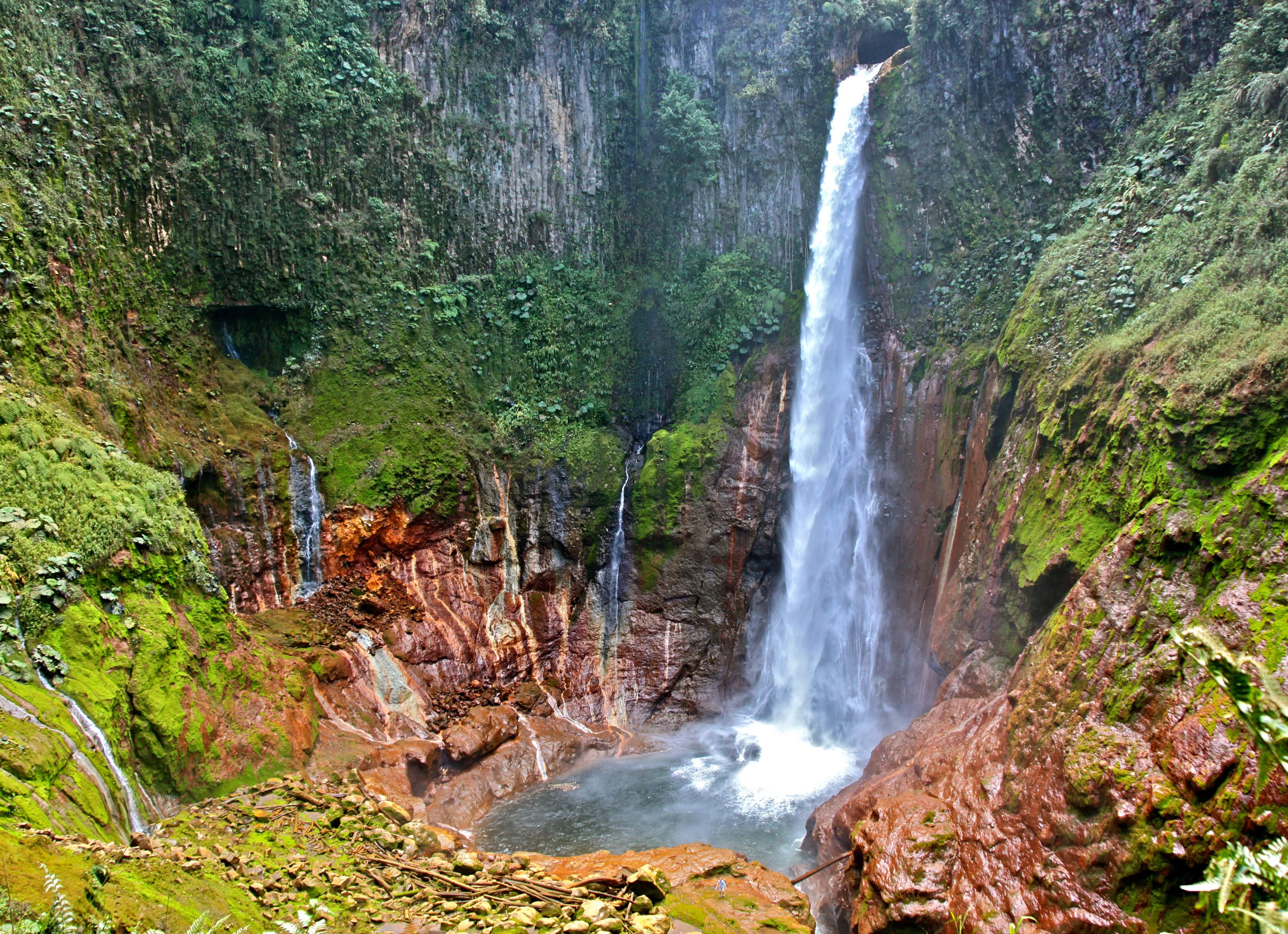
Catarata del Toro
A 90-meter waterfall plunging into an extinct volcanic crater, and you can hike to the bottom. One of the tallest and most dramatic waterfalls in Costa Rica.
Continue Exploring
More guides and resources to help you plan your trip
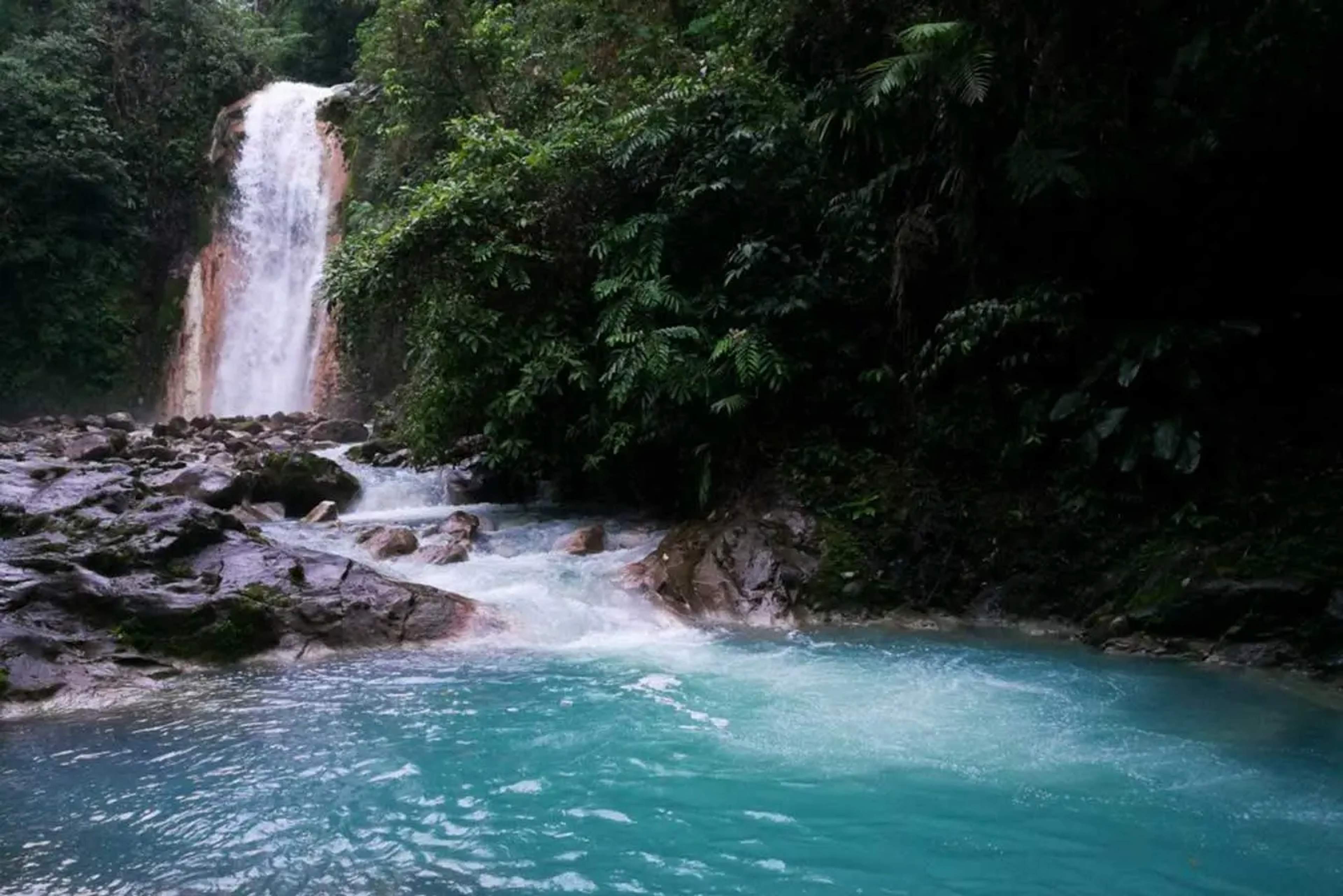 Area Guide
The Complete Guide to Bajos del Toro
Everything you need to plan your trip to the waterfall capital of Costa Rica. Every waterfall worth seeing, how to get there, where to eat and sleep, and how to build the perfect 2-3 day itinerary.
 Hiking
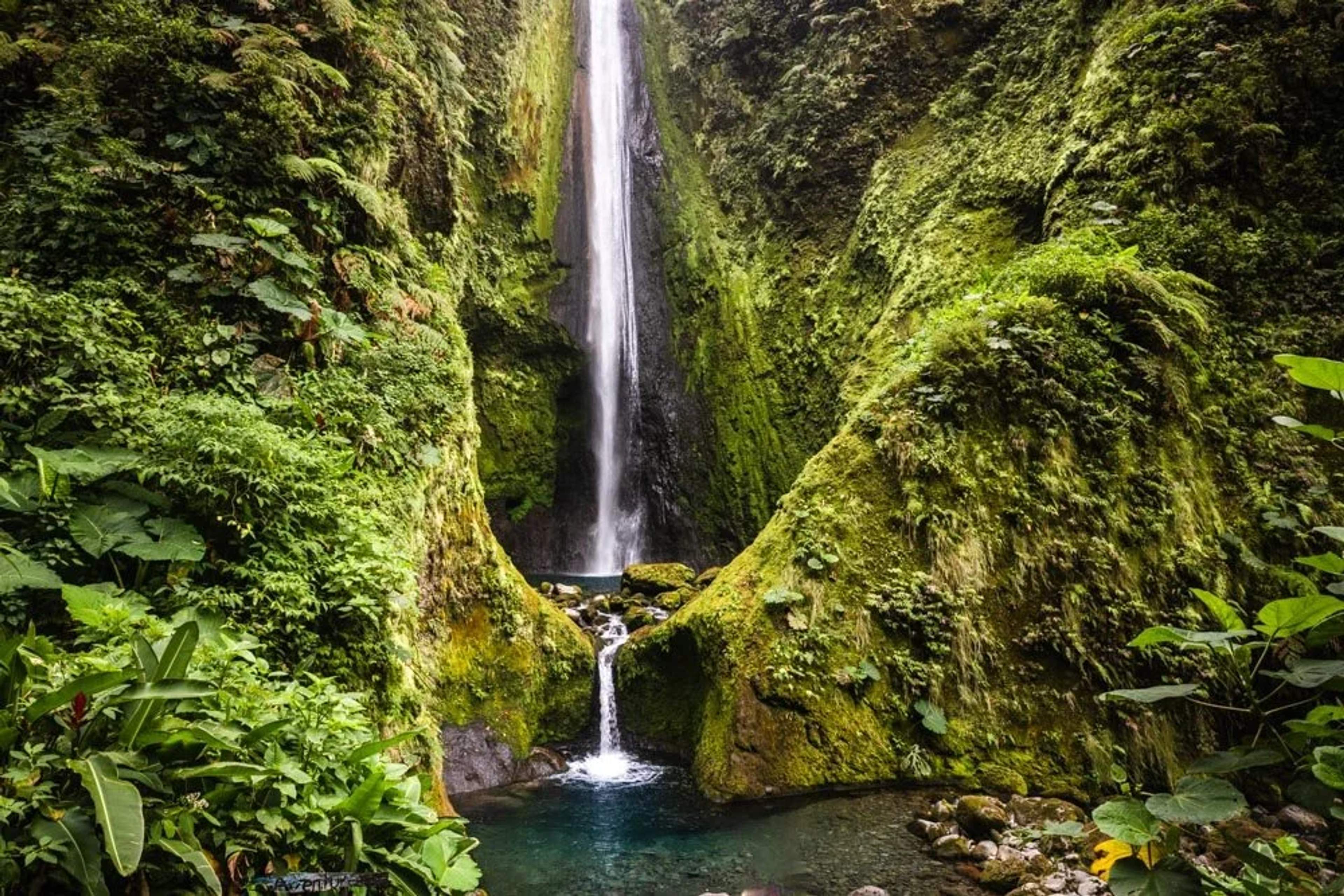
Vuelta del Cañón: Bajos del Toro's Most Rewarding Hike
An 11 km jungle trek to a two-tier waterfall with a turquoise pool inside a canyon you'll have entirely to yourself.
 Waterfall
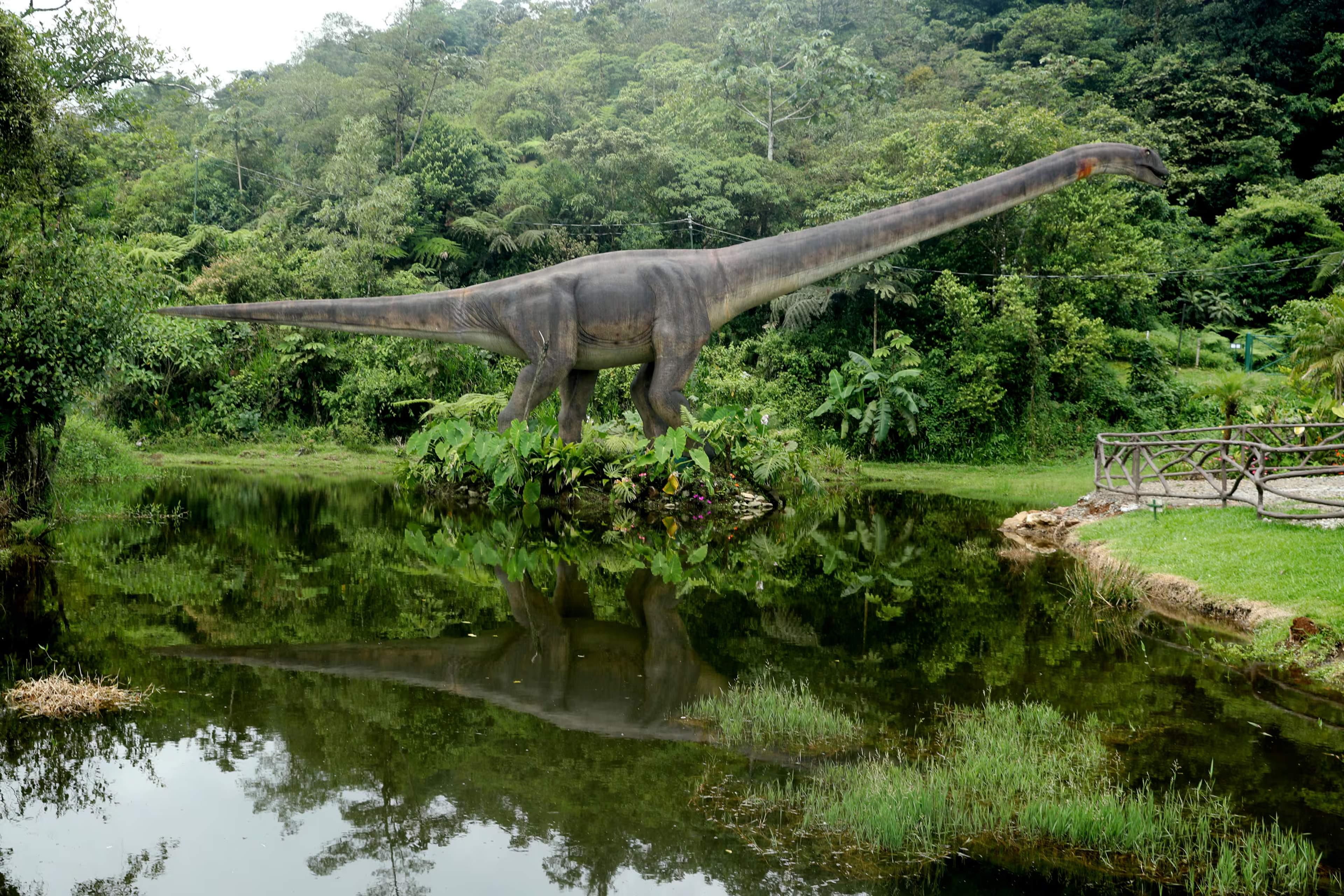
Río Agrio, Pozas Celestes & Dino Land: The Complete Guide
A 50-meter volcanic waterfall, naturally blue swimming pools, and life-sized mechanical dinosaurs, all on one property.
- Waterfall
Blue Falls of Costa Rica
Six turquoise waterfalls with swimming pools on a 126-acre private reserve. The water color isn't photoshopped, it's even more vivid in person.
- Waterfall
Catarata del Toro
A 90-meter waterfall plunging into an extinct volcanic crater, and you can hike to the bottom. One of the tallest and most dramatic waterfalls in Costa Rica.
 Blog
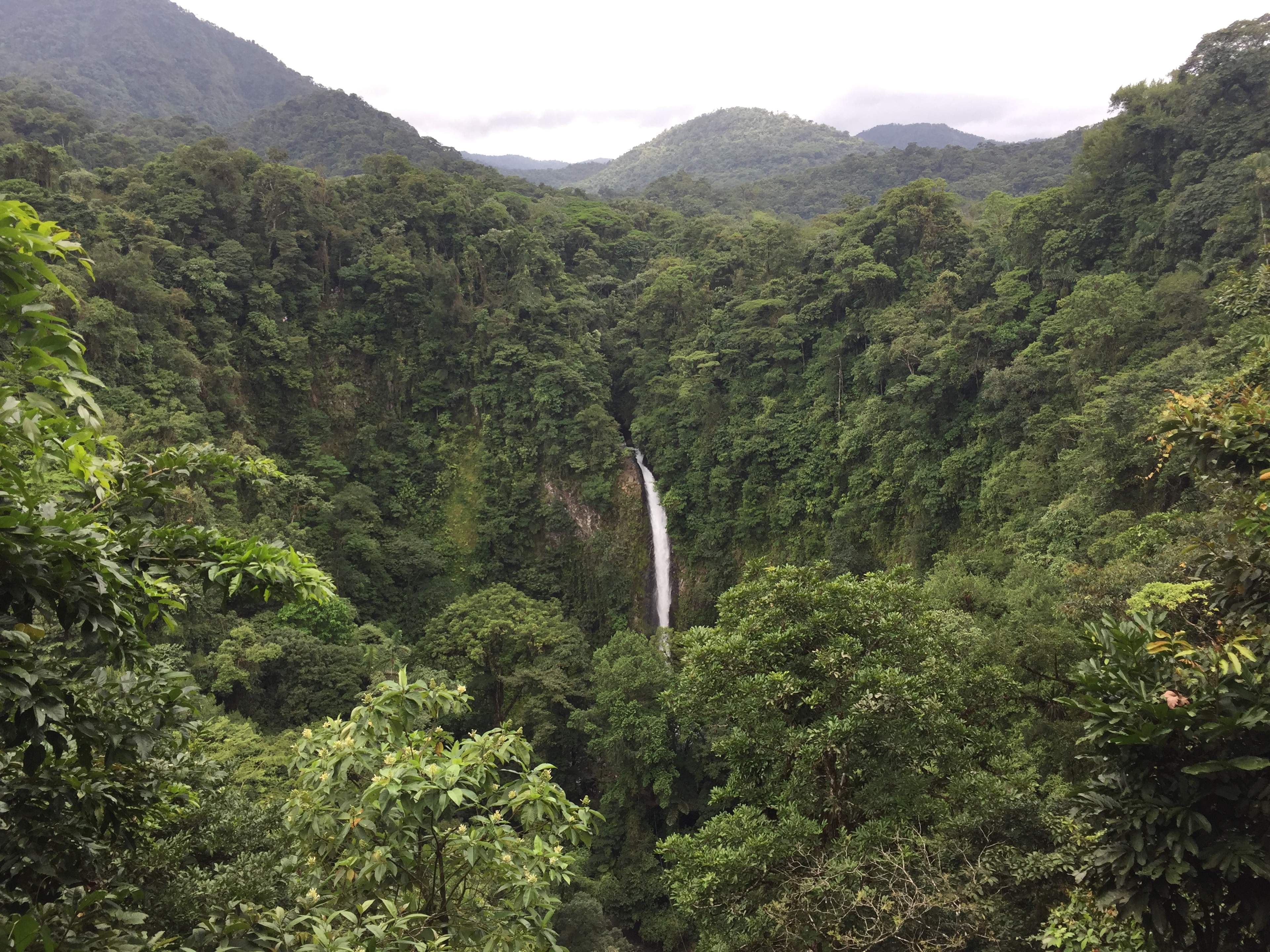
BlogBajos del Toro vs La Fortuna: Which Should You Visit?
Two volcanic regions. One famous, one hidden. Here's how they compare, and why the real answer is "both."