
Guides in Bajos del Toro
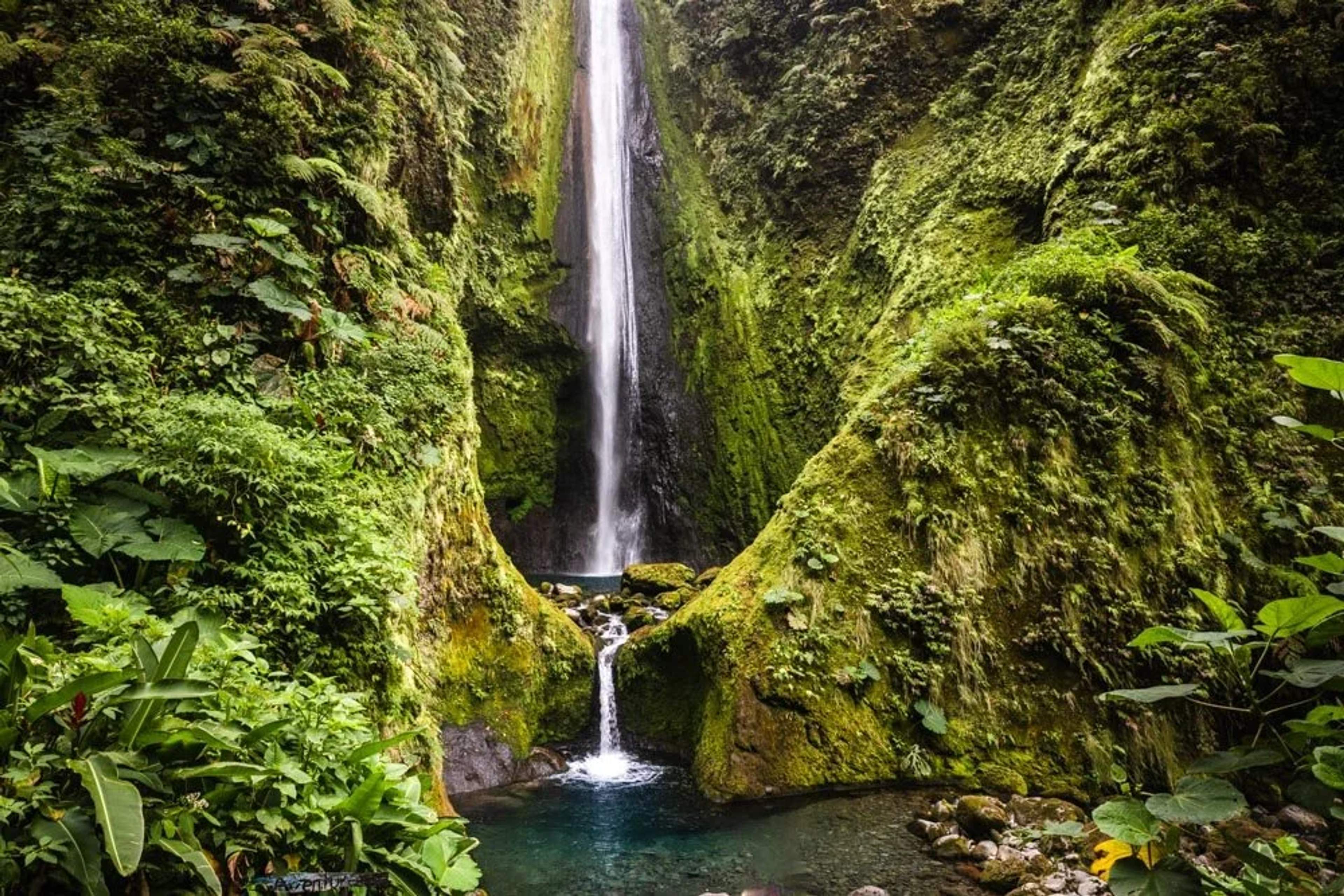
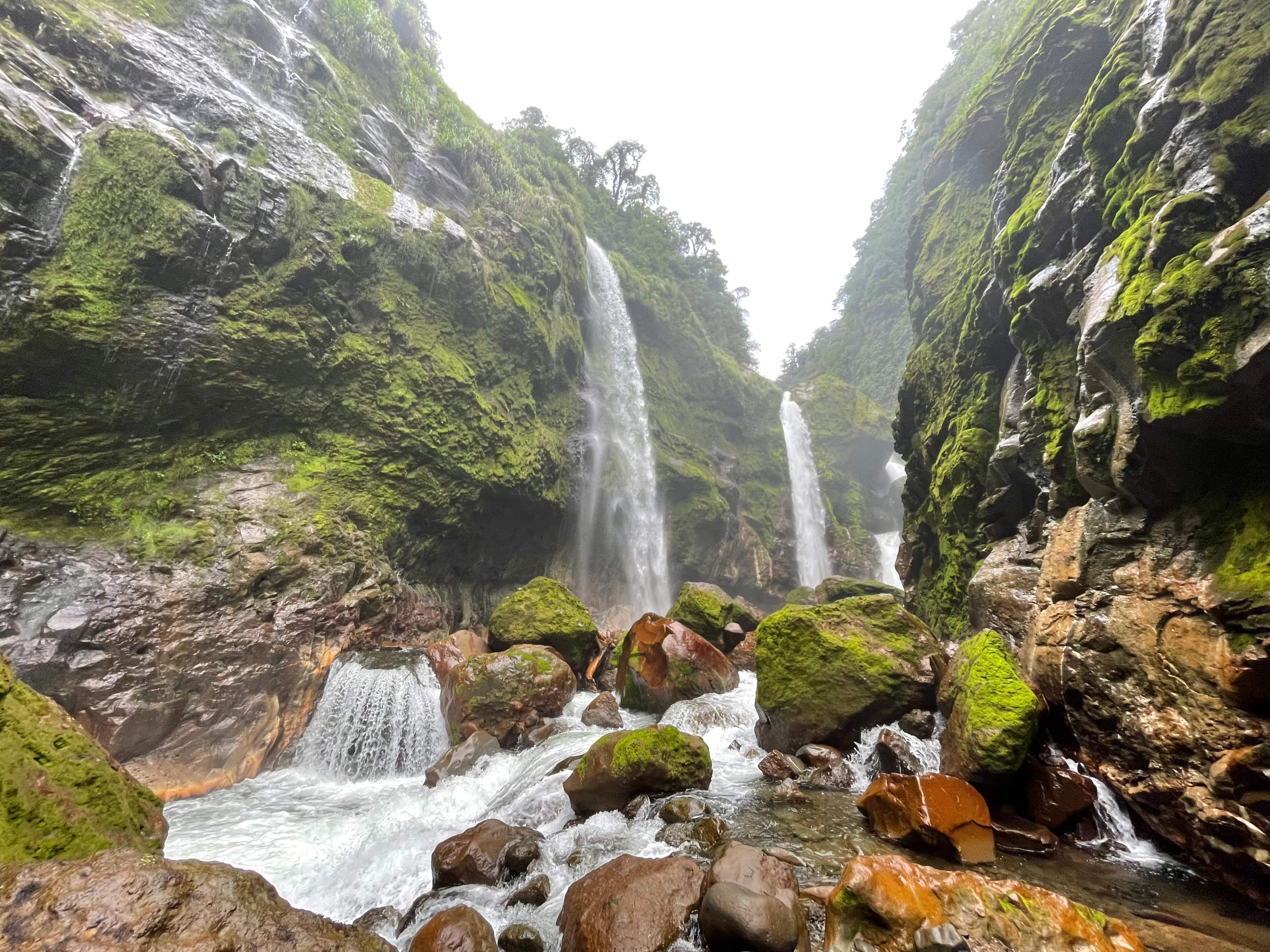
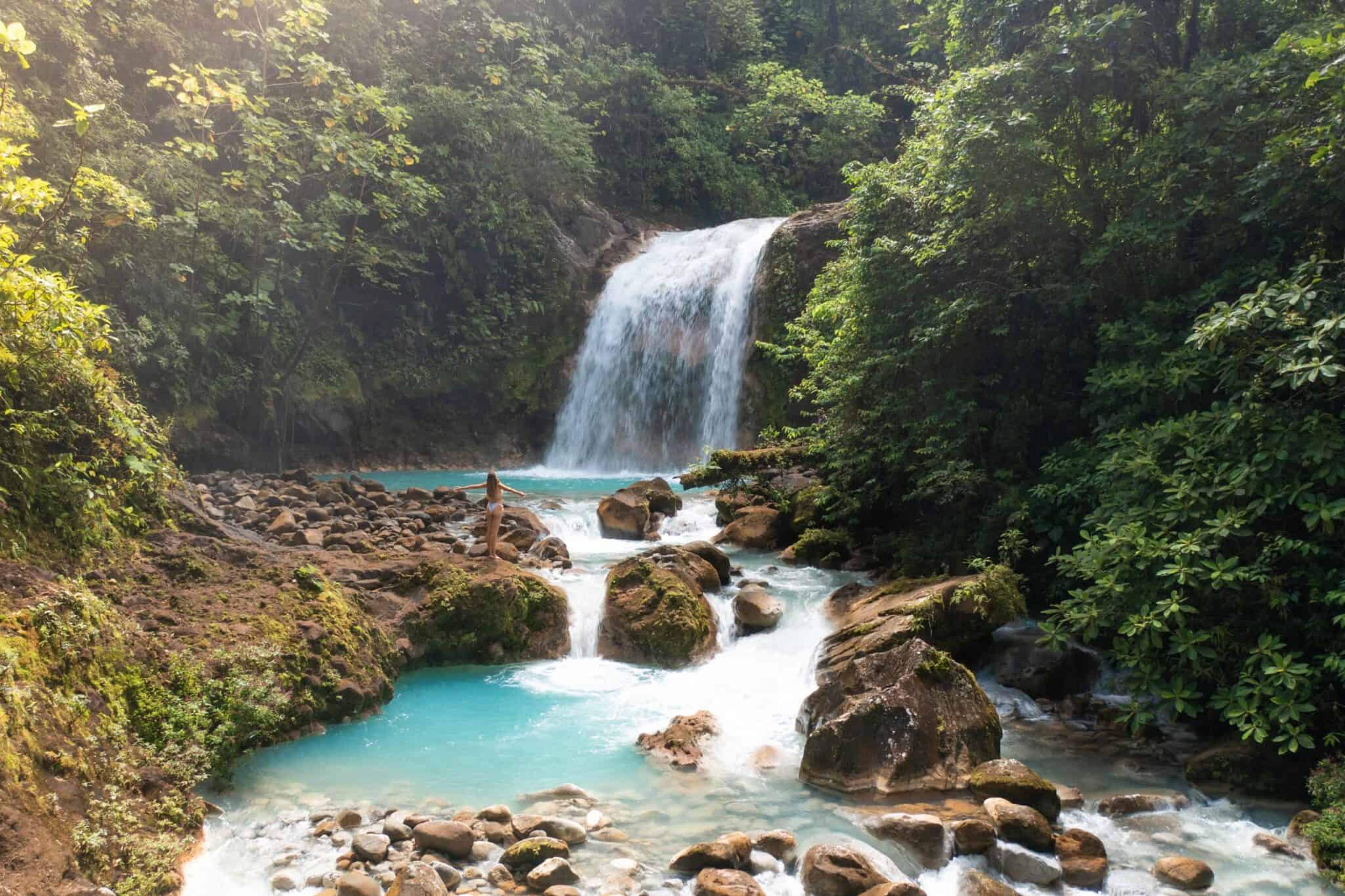
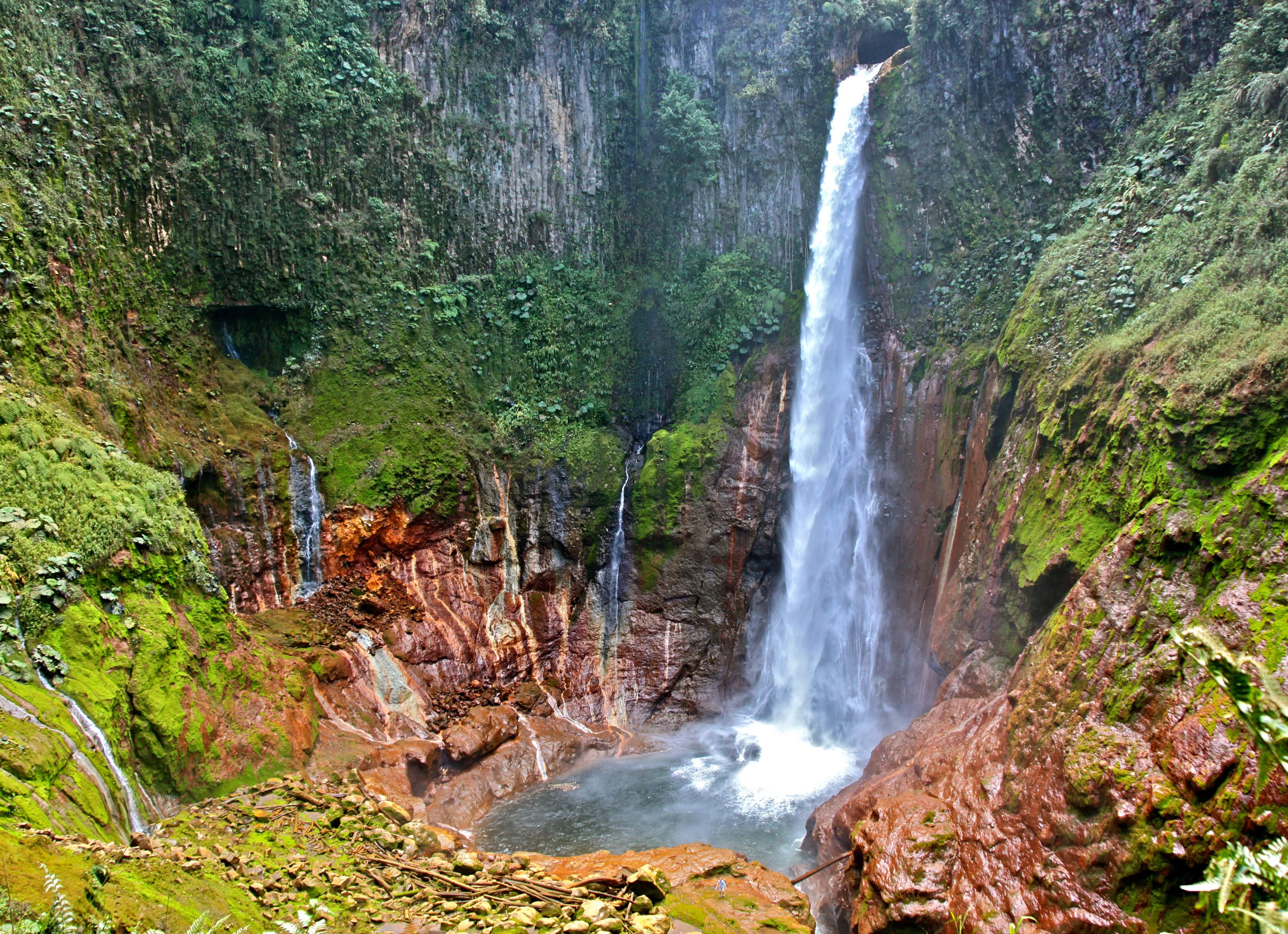
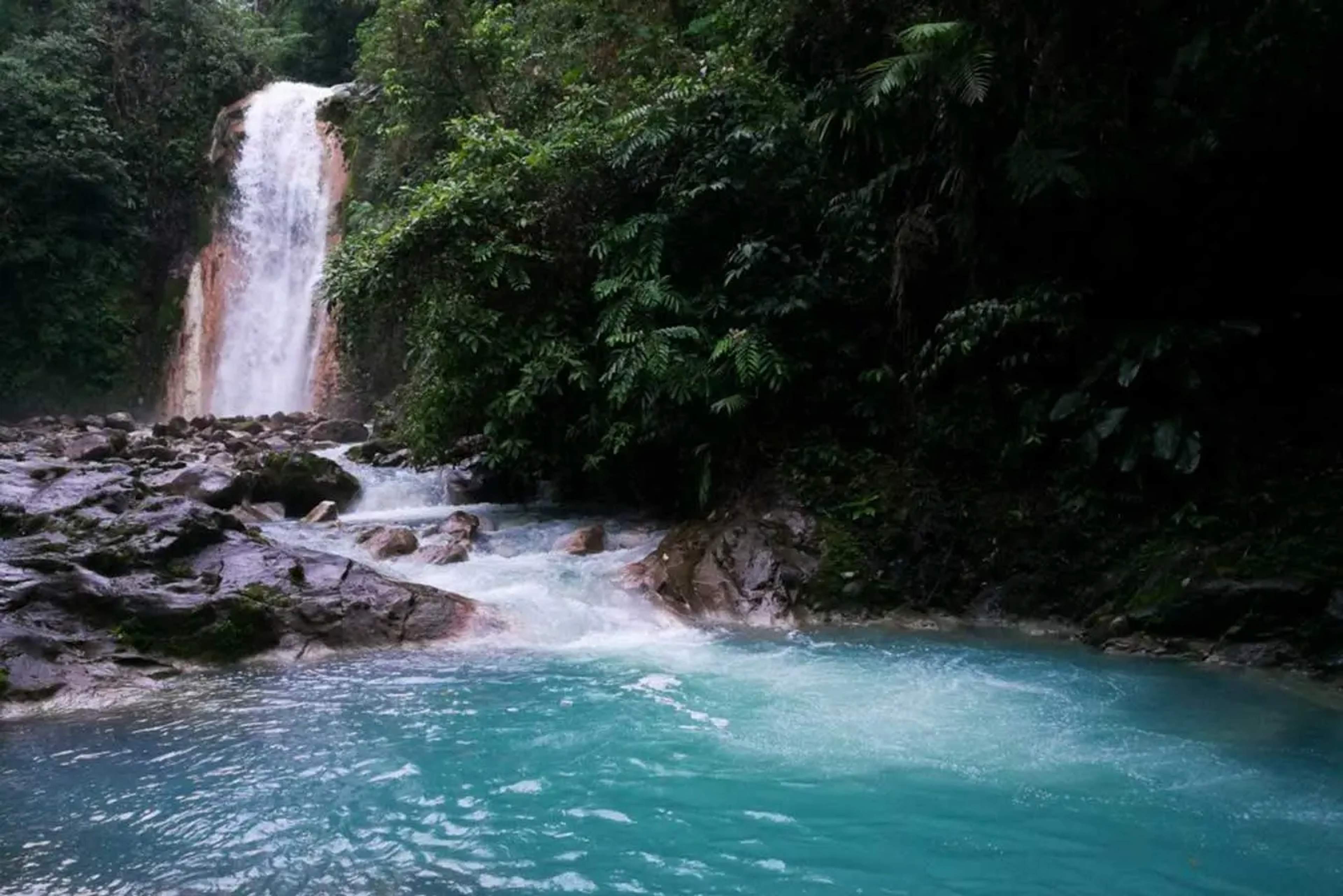
There's a tiny valley on the back side of Poás Volcano where every farmer seems to have a waterfall in their backyard. Bajos del Toro is a cloud forest town with no traffic lights, no souvenir shops, and no tour buses, just an absurd concentration of turquoise waterfalls, volcanic swimming holes, and moss-covered canyons that would be world-famous if they were anywhere easier to find.
Most tourists drive right past it on their way to La Fortuna. That's their loss, and your opportunity.
Bajos del Toro sits in a valley between Poás Volcano and the Juan Castro Blanco National Park. The volcanic geology creates rivers with vivid blue and turquoise water, a color caused by dissolved minerals reacting with sunlight.
Why Visit
Turquoise Waterfalls
Volcanic minerals turn the rivers an electric blue-green, the color is real, not a filter.
Cloud Forest Valley
A misty volcanic valley between Poás and Cacho Negro, surrounded by Juan Castro Blanco National Park.
Canyon Adventures
Hidden river canyons with 140m waterfalls, moss-covered walls, and turquoise swimming pools.
Genuinely Uncrowded
No tour buses, no souvenir shops. On most hikes you'll share the trail with a handful of people.
Natural Swimming Pools
Multiple waterfalls with safe swimming in turquoise volcanic water, cold but unforgettable.
Wildlife & Cloud Forest
Quetzals, toucans, hummingbirds, and blue morpho butterflies in one of the wettest forests in Costa Rica.
Area Quick Facts
- Best Time to Visit
- Dry season (December–April). Mornings are best, turquoise color is most vivid before 10am.
- How Many Days
- 2–3 days minimum. Day trip possible but rushed.
- Nearest Town / Services
- Venecia (~45 min), ATMs, gas, pharmacy, supermarkets. Zarcero (~30 min) for basic supplies.
- Altitude
- ~1,100 m / 3,600 ft, cool mornings (15–20°C), bring layers
- Cell Service
- Kolbi works in most of the area; other carriers are spotty or nonexistent. Download offline maps.
- Payment Methods
- Cash strongly recommended (colones preferred). Some attractions accept cards but not all.
- Driving Distances
- ~2 hr from San José · ~1.5 hr from La Fortuna · ~45 min from Ciudad Quesada · ~30 min from Venecia
Getting There
Bajos del Toro is about 2 hours from San José and 1.5 hours from La Fortuna. You will need a rental car, there is no public bus to the town and no taxis operating locally.
When you plug "Bajos del Toro" into Google Maps from San José, it may suggest the southern route through Sarchí via Route 708. Do not take this route. It's extremely steep, narrow, full of potholes, and often shrouded in cloud with near-zero visibility.
Instead, take the Interamericana Norte toward Naranjo, continue through Zarcero, then follow Route 708 from the north. This road is paved, in reasonable condition, and far less stressful.
From La Fortuna: Head south toward San Ramón / Zarcero, then connect to Route 708 northbound. About 1.5 hours.
No 4WD needed in dry season. In rainy season, higher-clearance vehicle is more comfortable but not essential.
When to Visit
Dry season (December–April) is best, less mud on trails, safer river crossings, and more vivid water colors on sunny mornings.
Rainy season (May–November) is still possible. Some waterfalls close during heavy rain. Mornings tend to be clearer, with rain arriving in the afternoon.
The blue/turquoise water color is most vivid in the early morning (before 10am) when sunlight hasn't yet hit the water directly.
The Waterfalls
Catarata del Toro: The icon. A 90-meter waterfall plunging into an extinct volcanic crater. $15/person or $25 combo with Blue Falls. 1.5-2 hours. Easy to moderate.
Blue Falls (Las Gemelas): Six turquoise waterfalls with swimming pools. $20/person or $25 combo. 2-3 hours. Moderate.
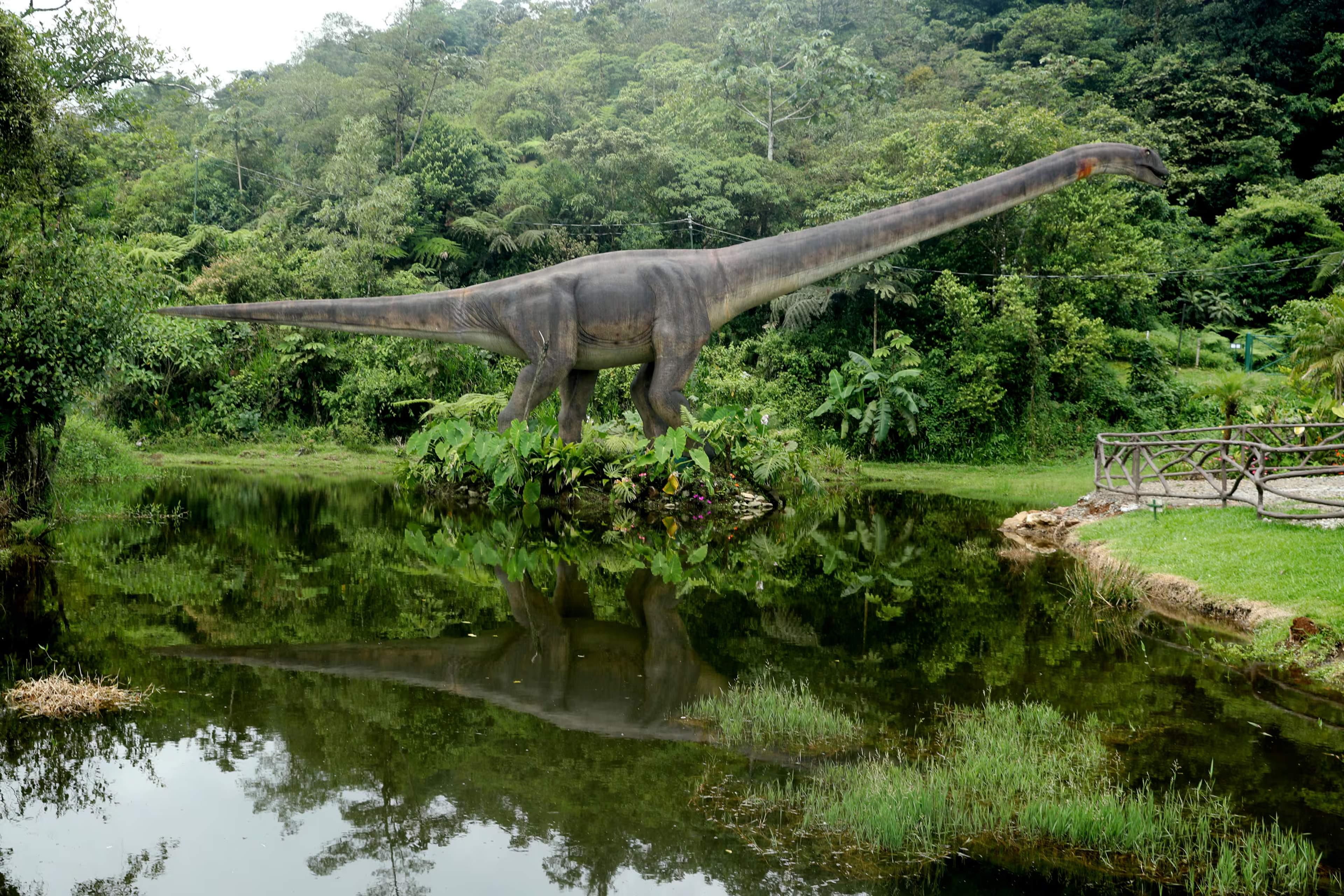
Río Agrio/Dinoland: Best for families. A gorgeous 50m waterfall reached via an easy 15-minute walk through a fern-covered gorge. ~$4.50/person. Also includes Dino Land and Pozas Celestes swimming pools.
Jurassic Canyon (Quebrada Gata): The adventure of a lifetime. Hidden canyon with 140m waterfalls and turquoise pools. Guided hike required, 5-6 hours, $65-90/person. Challenging.
Tesoro Escondido: Tall waterfall, swimming pool, and the famous Mirador de la Gota lookout. ~$15/person. 1.5-2.5 hours. Moderate.
Vuelta del Cañón: Two-tier waterfall dropping into a canyon with a blue swimming pool. Adventurous, often completely deserted.
Caída del Cielo, "Fallen from Heaven." Longer hike through pastures and jungle. Swimming pool at the base.
Beyond Waterfalls
Juan Castro Blanco National Park, 14,000+ hectare cloud forest that receives fewer than 1,000 visitors per year. Quetzals, toucans, and howler monkeys. No entrance fee.
Zarcero Topiary Gardens: Fantastical topiary sculptures on the drive to/from Bajos del Toro via the northern route. Budget 30-45 minutes.
El Silencio Lodge: A local boutique hotel. If you can arrange a day visit, their 500-acre private reserve has maintained cloud forest trails.
Practical Notes
Bring cash. Many waterfalls only accept colones. ATMs are available in Ciudad Quesada (~45 min away) but not in Bajos del Toro.
Cell service is limited. Kolbi works in most of the area; other carriers are spotty. Download offline maps before arriving.
Bring layers. Higher altitude means cool mornings and evenings (15-20°C). You'll want a light jacket.
Water shoes are essential for multiple attractions. Buy them before arriving.
There is a small but well-stocked grocery store in the town center for supplies.
Suggested Itineraries
Day Trip: Catarata del Toro + Blue Falls combo (3-4 hours), lunch, then Río Agrio if time permits.
2 Nights, Day 1: Stay in the town (limited options) or close like Venecia or Rio Cuarto. Spend the afternoon at Río Agrio + Pozas Celestes. Day 2: Early morning Catarata del Toro, mid-morning Blue Falls, afternoon Tesoro Escondido. Day 3: Depart.
3 Nights, Add Day 3: Jurassic Canyon guided hike (full morning). Afternoon at Recreo Verde hot springs in Marsella to recover.
Local Tips
Frequently Asked Questions
How many days do you need in Bajos del Toro?
Plan for 2 to 3 days minimum. A day trip is possible but rushed, since there are more waterfalls and swimming holes than you can comfortably fit into a single afternoon. With two nights you can pair Catarata del Toro, Blue Falls, Río Agrio and Tesoro Escondido; add a third night for the Jurassic Canyon guided hike and a recovery afternoon at the hot springs.
What is the best time of year to visit Bajos del Toro?
The dry season from December to April is best, with less mud on the trails, safer river crossings and more vivid water colors on sunny mornings. The rainy season (May to November) still works, though some waterfalls close during heavy rain and mornings tend to be clearer before afternoon showers arrive. Whenever you go, aim for early morning: the blue-turquoise color is most vivid before 10am, before direct sunlight hits the water.
How do you get to Bajos del Toro, and do you need a 4x4?
You will need a rental car, as there is no public bus to the town and no local taxis. It is about 2 hours from San José and 1.5 hours from La Fortuna; take the Interamericana Norte toward Naranjo, through Zarcero, then Route 708 from the north, and avoid the steep, potholed southern route through Sarchí that Google Maps may suggest. No 4WD is needed in the dry season, though a higher-clearance vehicle is more comfortable in the rainy season.
What is there to do in Bajos del Toro?
Bajos del Toro is essentially the waterfall capital of Costa Rica, with an absurd concentration of turquoise falls and volcanic swimming holes. Highlights include Catarata del Toro (a 90m fall in an extinct crater), Blue Falls / Las Gemelas (six turquoise waterfalls with pools), family-friendly Río Agrio, the challenging guided Jurassic Canyon hike, and Tesoro Escondido. Beyond the water, you can explore the Juan Castro Blanco National Park cloud forest, the Zarcero topiary gardens, and wildlife like quetzals, toucans and blue morpho butterflies.
Where should you stay in or near Bajos del Toro?
Options in the town itself are limited. For luxury, El Silencio Lodge & Spa is a Relais & Châteaux property with private cabins and a 500-acre forest reserve; mid-range travelers will find family-run Airbnb cabins from roughly $80 to $150 per night, and there is budget camping at Tesoro Escondido and Paraíso Manantiales. A strong alternative base is Venecia, about 30 to 40 minutes north, which has more lodging and restaurants and easy access to ATV tours, canyoning and hot springs.
Is there cell service and are there ATMs in Bajos del Toro?
Cell service is limited: Kolbi works in most of the area, but other carriers are spotty or nonexistent, so download offline maps before you arrive. There are no ATMs in Bajos del Toro itself; the nearest are in Venecia (about 45 minutes) or Ciudad Quesada. Bring cash, ideally colones, since many waterfalls accept only cash and not all attractions take cards.
Is Bajos del Toro worth visiting instead of La Fortuna?
It is worth it if you want something genuinely uncrowded. Most tourists drive right past Bajos del Toro on their way to La Fortuna, which means no tour buses and no souvenir shops, and on most hikes you will share the trail with only a handful of people. It offers an absurd concentration of turquoise waterfalls and volcanic swimming holes that would be world-famous if they were easier to find, and at just 1.5 hours away it also pairs well as an add-on to a La Fortuna trip.
Where to Eat
• La Terraza del Café de Bajos del Toro: An excellent restaurant with traditional food and specializes in having great coffee, light bites and scenic views, perfect for a post-hike snack, lunch or even breakfast before heading out.
• Restaurante-Bar Toro Amarillo: Classic local joint with friendly service and a varied menu. Solid option for lunch or dinner in town.
• Restaurante Blue Morpho: Highly rated place near the plaza offering local dishes with great reviews from visitors.
• Kafecitos Soda Restaurante y Supermercado: More casual soda-style spot where you can grab coffee, snacks, traditional fare and drinks. Good for a relaxed meal or pickup.
Where to Stay
Luxury: El Silencio Lodge & Spa: Relais & Châteaux property with private cabins, 500 acres of private forest reserve, spa, and fine dining.
Mid-Range: Several family-run cabin rentals on AIrbnb in the area, with comfortable amenities, hot water, and mountain views. From $80-$150/night.
Budget: Camping available at Tesoro Escondido and Paraíso Manantiales.
Strategic alternative base: Venecia (30-40 min north), More lodging options, more restaurants, and easy access to ATV tours, canyoning, hot springs, and Laguna de Hule. On a main road. 1 hour away from La Fortuna for future day plans.
Continue Exploring
More guides and resources to help you plan your trip
 Blog
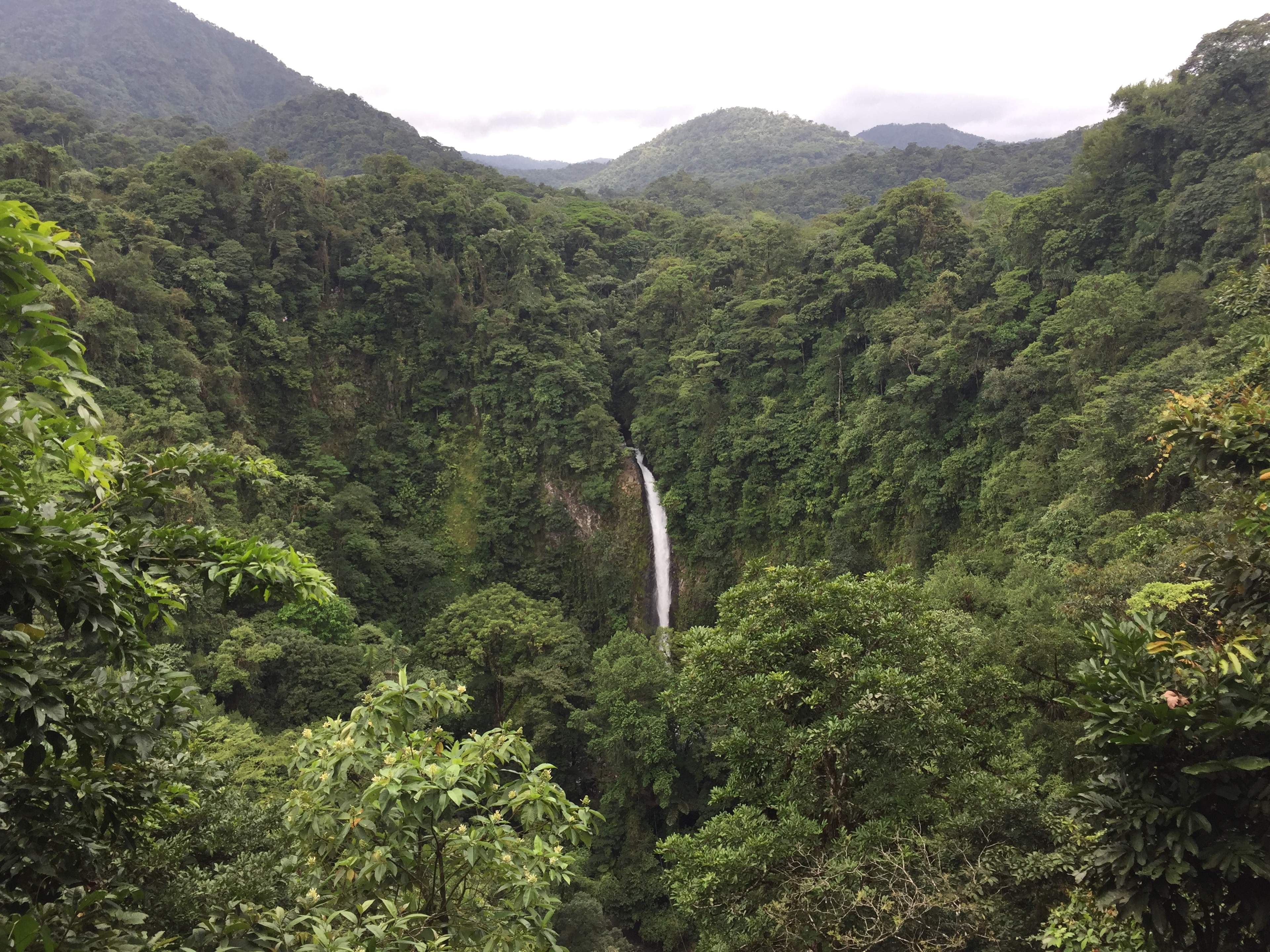
BlogBajos del Toro vs La Fortuna: Which Should You Visit?
Two volcanic regions. One famous, one hidden. Here's how they compare, and why the real answer is "both."
 Blog
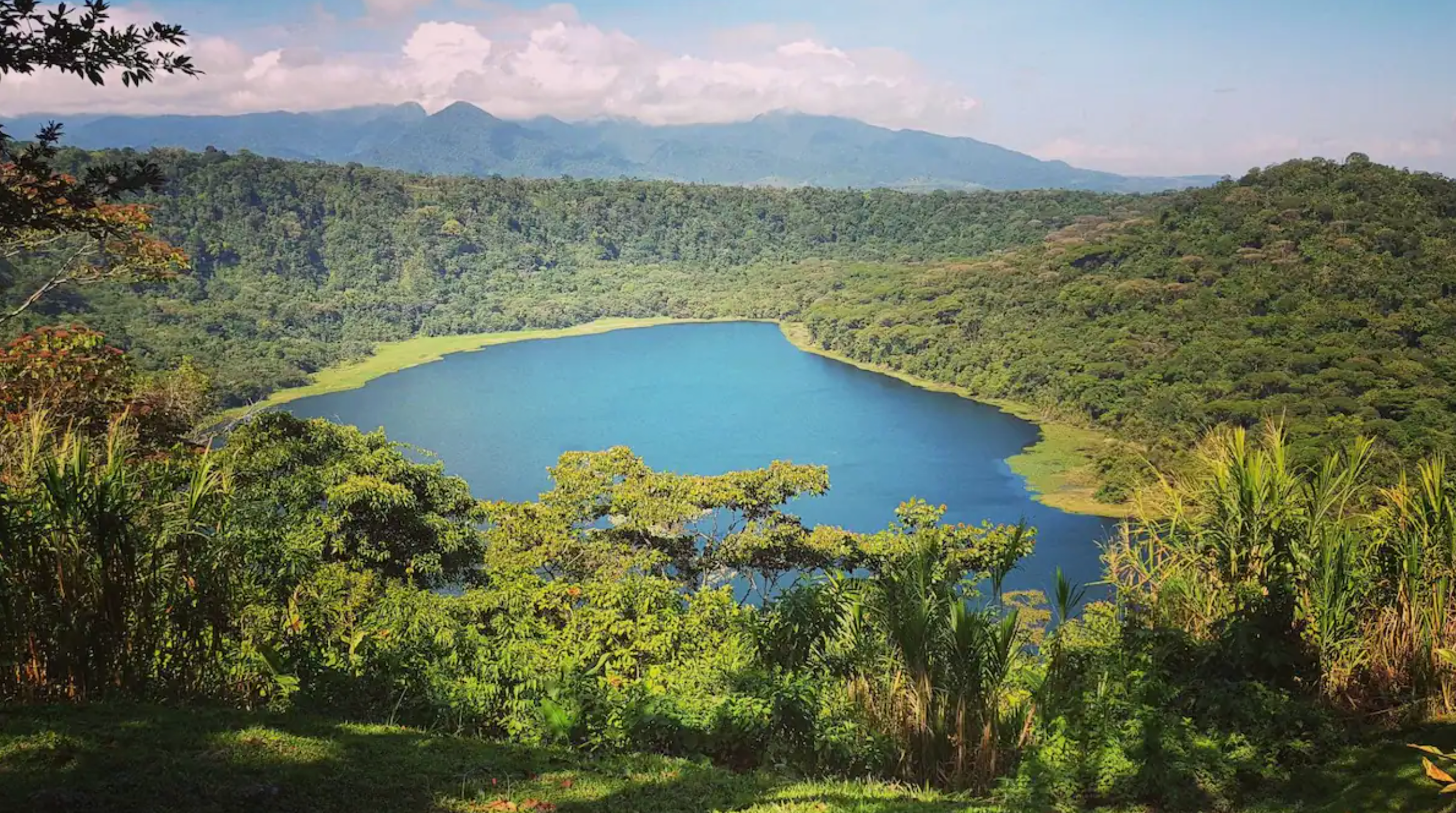
BlogBeyond La Fortuna: 15 Places Most Tourists Never Find
Already done Arenal? Here's what's 45 minutes away, and it's better. 15 spectacular places in the mountains between Arenal and Poás that almost nobody visits.