
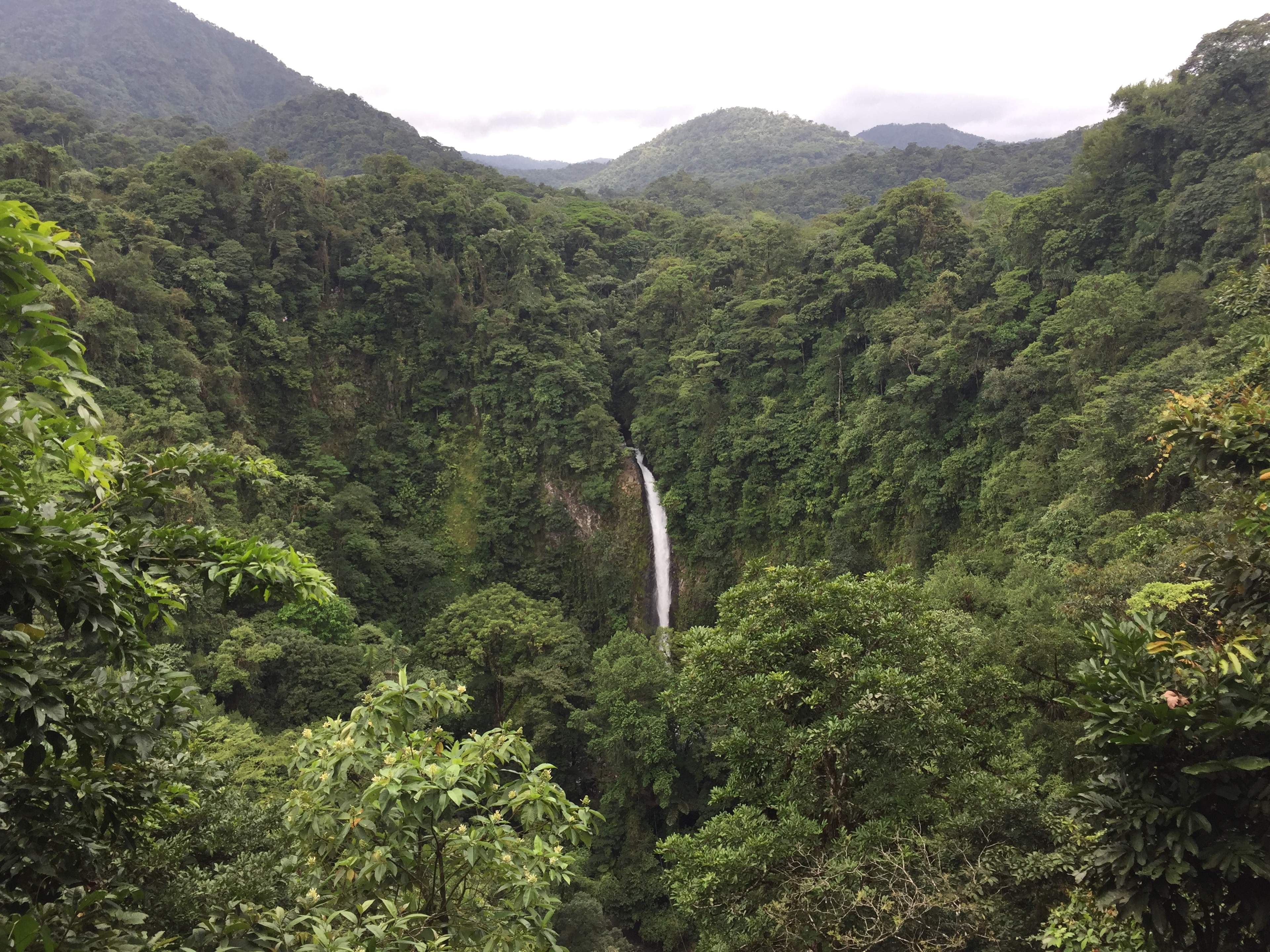
If you're planning a trip to Costa Rica's Northern Zone, you've almost certainly heard of La Fortuna. It's the Arenal Volcano town, hot springs, ziplines, hanging bridges, the famous waterfall. It's the most visited inland destination in the country.
You probably haven't heard of Bajos del Toro. It's a tiny cloud forest village about 90 minutes south of La Fortuna, sitting in a volcanic caldera between two volcanoes, with more accessible waterfalls per square kilometer than anywhere else in the country. Almost no foreign tourists.
These two places are close enough to combine in a single trip but different enough that they feel like different countries. Here's an honest comparison to help you decide how to spend your time.
What La Fortuna Does Better
Infrastructure. La Fortuna is a real tourist town with reliable shuttle service, dozens of restaurants from soda to sushi, well-organized tour operators, English-speaking staff everywhere, and accommodation at every price point. If you want a vacation where everything is easy and you never need to think about logistics, La Fortuna delivers.
The volcano. Arenal Volcano is iconic. Even though it hasn't erupted since 2010, seeing the perfect cone rising above the lake, especially when clouds lift in the morning, is unforgettable. Bajos del Toro has volcanic geology everywhere but no visible, iconic volcano.
Hot springs. La Fortuna's hot springs are a significant draw, Tabacón, Baldi, Ecotermales, and the free hot river spots along the Arenal river. The resort hot springs are expensive but polished. Bajos del Toro doesn't have comparable hot springs, though nearby Marsella has Recreo Verde, more rustic, less expensive, less crowded.
Evening scene. La Fortuna has nightlife (modest by beach town standards), restaurant variety, and things to do after dark. Bajos del Toro closes early. If you need evening entertainment beyond a book and a bottle of wine, La Fortuna wins.
What Bajos del Toro Does Better
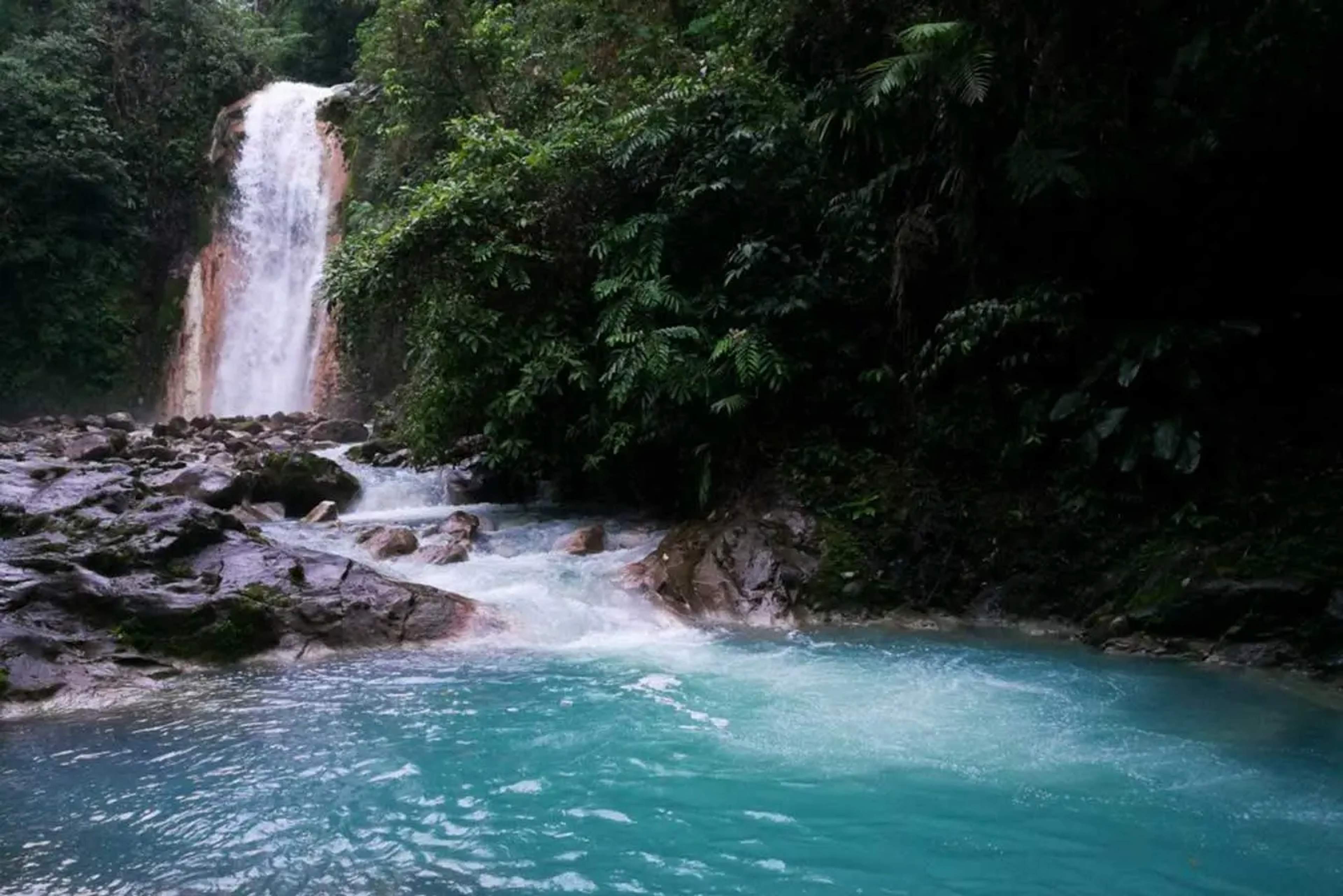
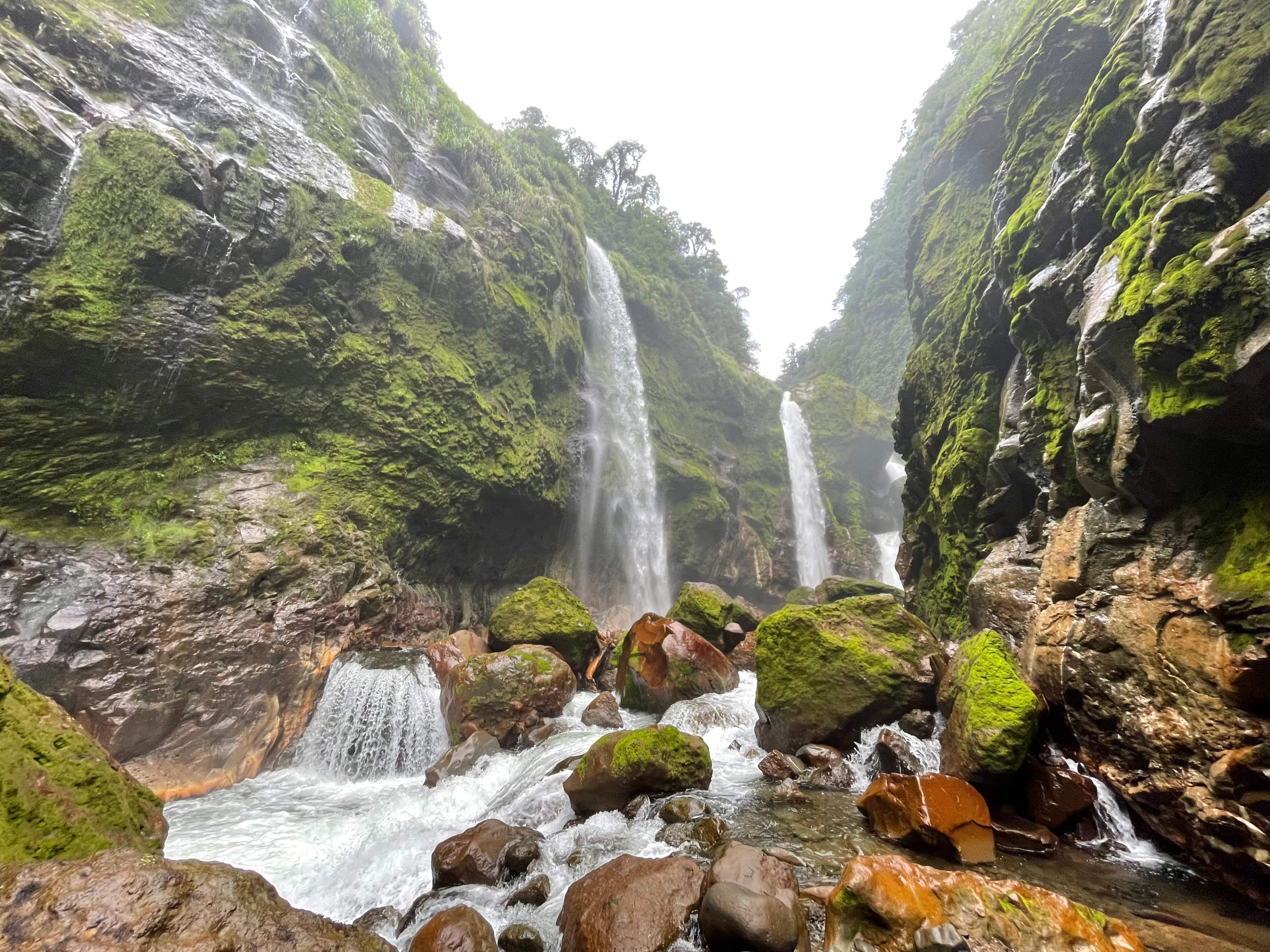
Waterfalls, and it's not even close. La Fortuna has one major waterfall ($18, crowded, swimming limited to a small area). Bajos del Toro has Catarata del Toro (90m into a volcanic crater, $15), Blue Falls (six turquoise waterfalls you can swim in, $17–20), Jurassic Canyon (prehistoric river canyon with turquoise pools), Tesoro Escondido, Río Agrio, Vuelta del Cañón, and more, all within a 15-minute drive of each other. The Catarata del Toro + Blue Falls combo ticket ($25) delivers more waterfall experience than you could find in a week of La Fortuna-area visits.
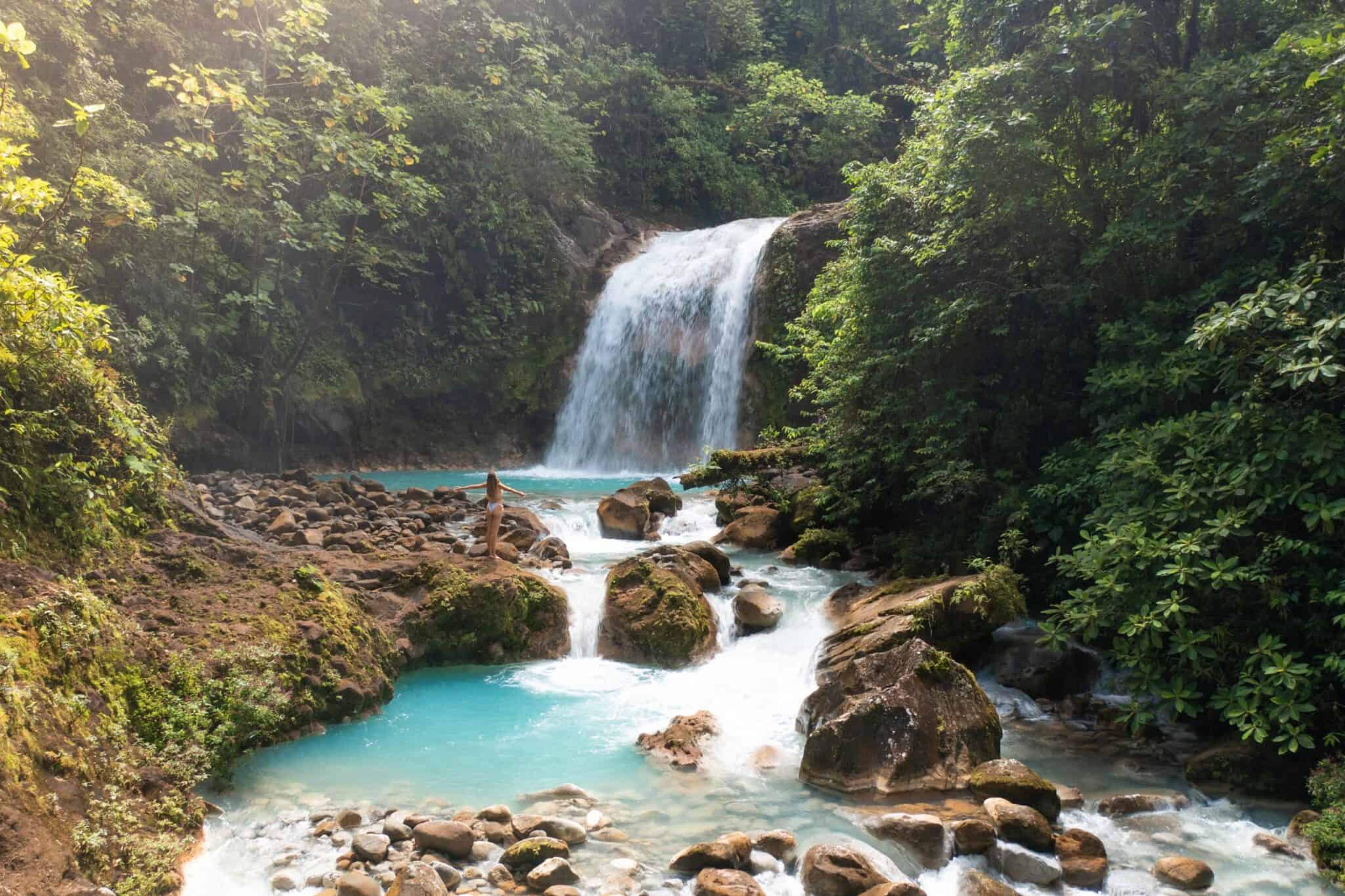
Swimming in blue water. The most famous blue water in Costa Rica is Río Celeste, accessible from La Fortuna as a day trip, but you can't swim there. At Blue Falls in Bajos del Toro, the water is also naturally blue (different mineral cause, same visual effect), and you can swim in it. Multiple pools, multiple waterfalls, cold but stunning.
Solitude. This is the fundamental difference. La Fortuna's attractions are shared with hundreds or thousands of daily visitors. Bajos del Toro's attractions are shared with a handful. You can swim in a turquoise waterfall pool and be the only person there. You can hike Jurassic Canyon and not see another human. For many travelers, the absence of crowds is the experience, not a compromise.
Value. Accommodation, food, and activities in Bajos del Toro cost significantly less than La Fortuna. A mid-range Airbnb in the area runs $40–65/night compared to $80–150 in La Fortuna. Waterfall entrances are cheaper. Sodas charge local prices, not tourist prices.
Authenticity. Bajos del Toro is a working agricultural village. The people you meet are farmers, not tour guides. The restaurants are family sodas, not tourist restaurants. The roads are quiet, the air smells like cloud forest, and the pace is genuinely slow. If "off the beaten path" means something to you, this is what it actually looks like.
The Verdict: Do Both
They're 90 minutes apart. You don't have to choose.
The smart itinerary: Spend 1–2 nights in the Bajos del Toro / Venecia area for waterfalls, then continue to La Fortuna for 2–3 nights for the volcano, hot springs, and evening scene. Or reverse the order. Either way, you've seen Costa Rica from two completely different angles, the polished tourist experience AND the authentic hidden one, and you've only added one short drive to your trip.
If you're driving from San José to La Fortuna (or vice versa), Bajos del Toro is literally on the way. Skipping it means driving past the best waterfall region in the country without stopping.
If you can only pick one: First-time visitors who want ease and variety should go to La Fortuna. Repeat visitors, waterfall enthusiasts, couples seeking quiet, and anyone who already knows what "real" Costa Rica feels like should go to Bajos del Toro.
Continue Exploring
More guides and resources to help you plan your trip
 Area Guide
The Complete Guide to Bajos del Toro
Everything you need to plan your trip to the waterfall capital of Costa Rica. Every waterfall worth seeing, how to get there, where to eat and sleep, and how to build the perfect 2-3 day itinerary.
 Hiking
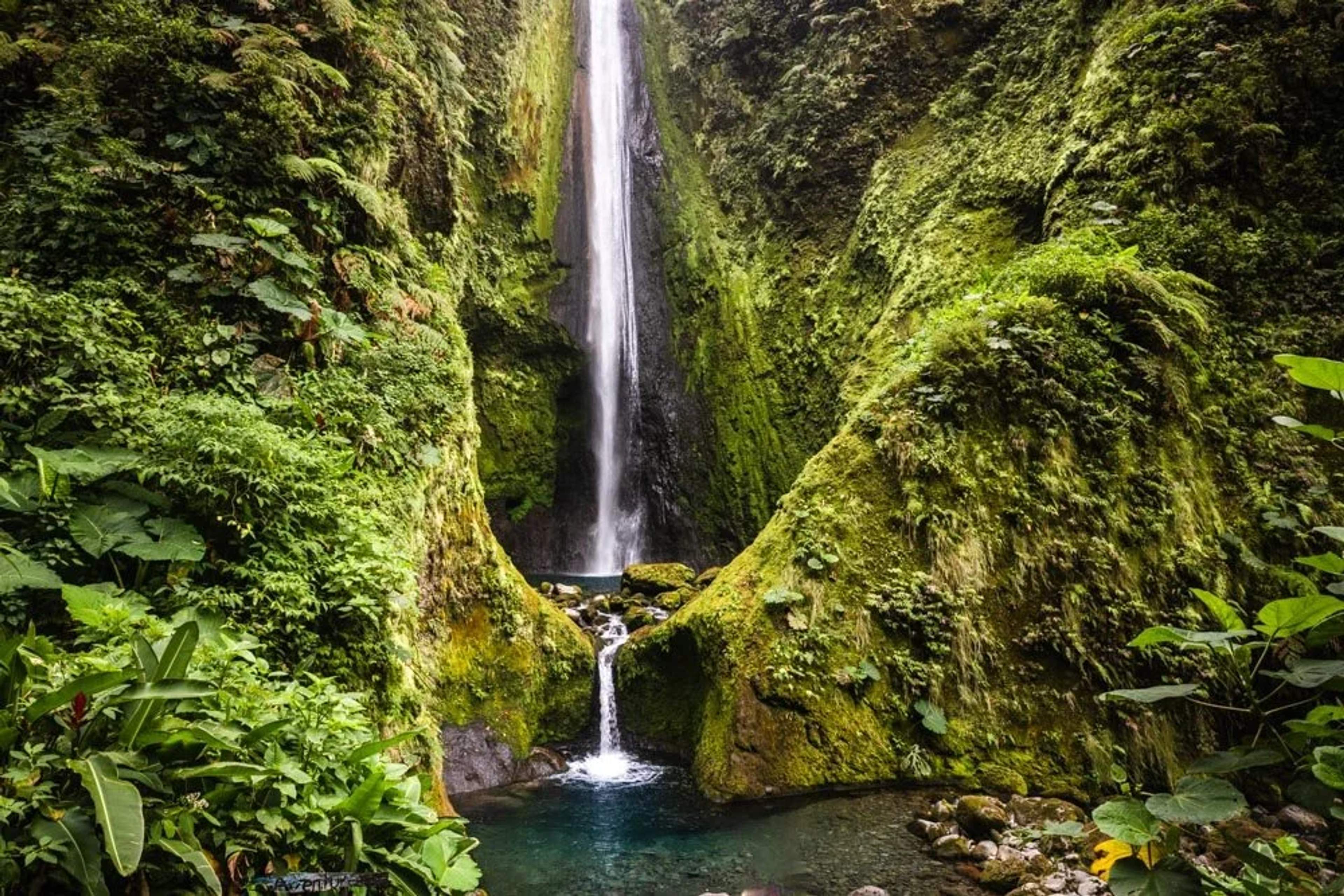
Vuelta del Cañón: Bajos del Toro's Most Rewarding Hike
An 11 km jungle trek to a two-tier waterfall with a turquoise pool inside a canyon you'll have entirely to yourself.
 Waterfall
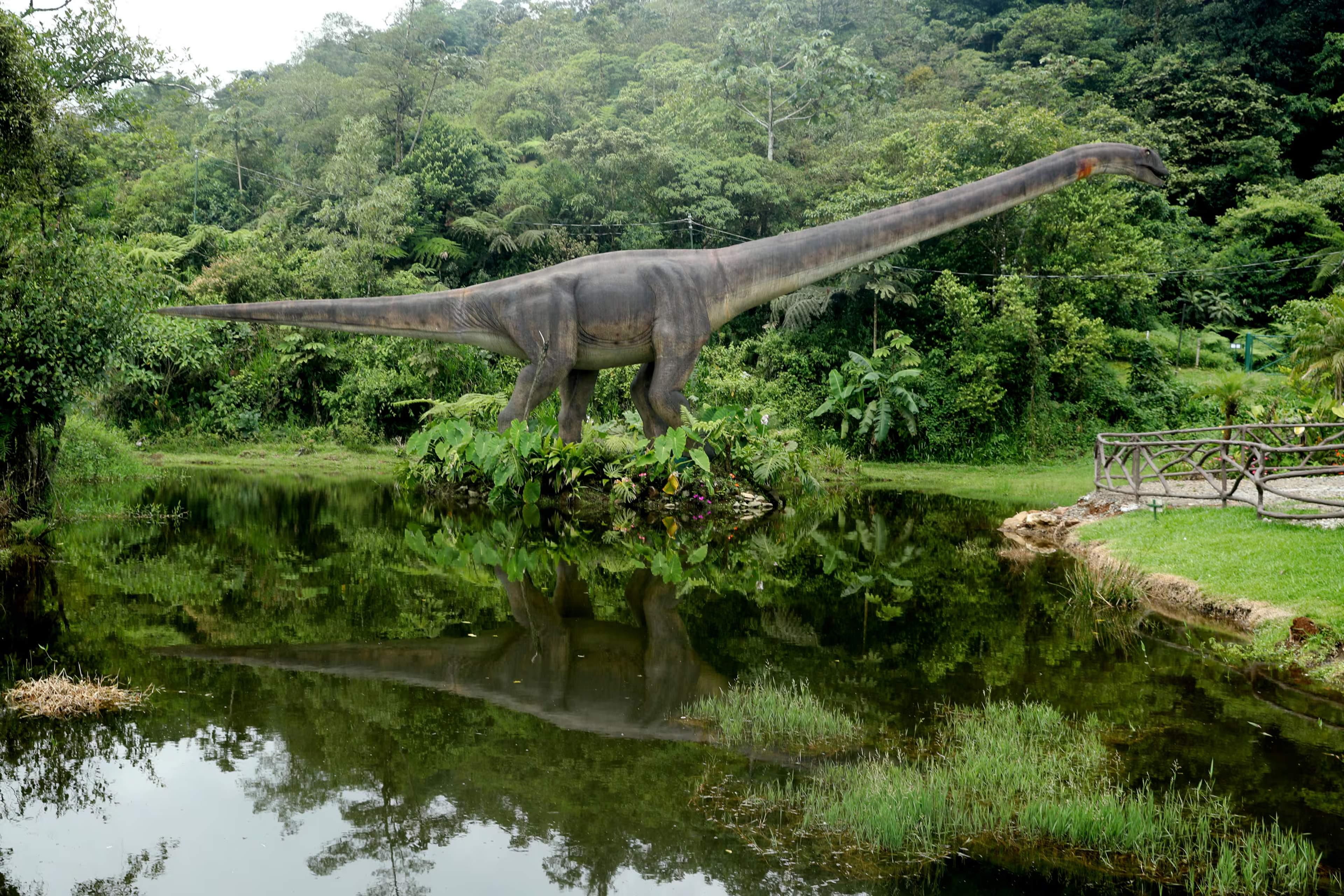
Río Agrio, Pozas Celestes & Dino Land: The Complete Guide
A 50-meter volcanic waterfall, naturally blue swimming pools, and life-sized mechanical dinosaurs, all on one property.
 Waterfall
Jurassic Canyon: The Most Spectacular Hidden Place in Costa Rica
A Complete Guide to Quebrada Gata & Barroso Waterfall in Bajos del Toro
 Waterfall
Blue Falls of Costa Rica
Six turquoise waterfalls with swimming pools on a 126-acre private reserve. The water color isn't photoshopped, it's even more vivid in person.