
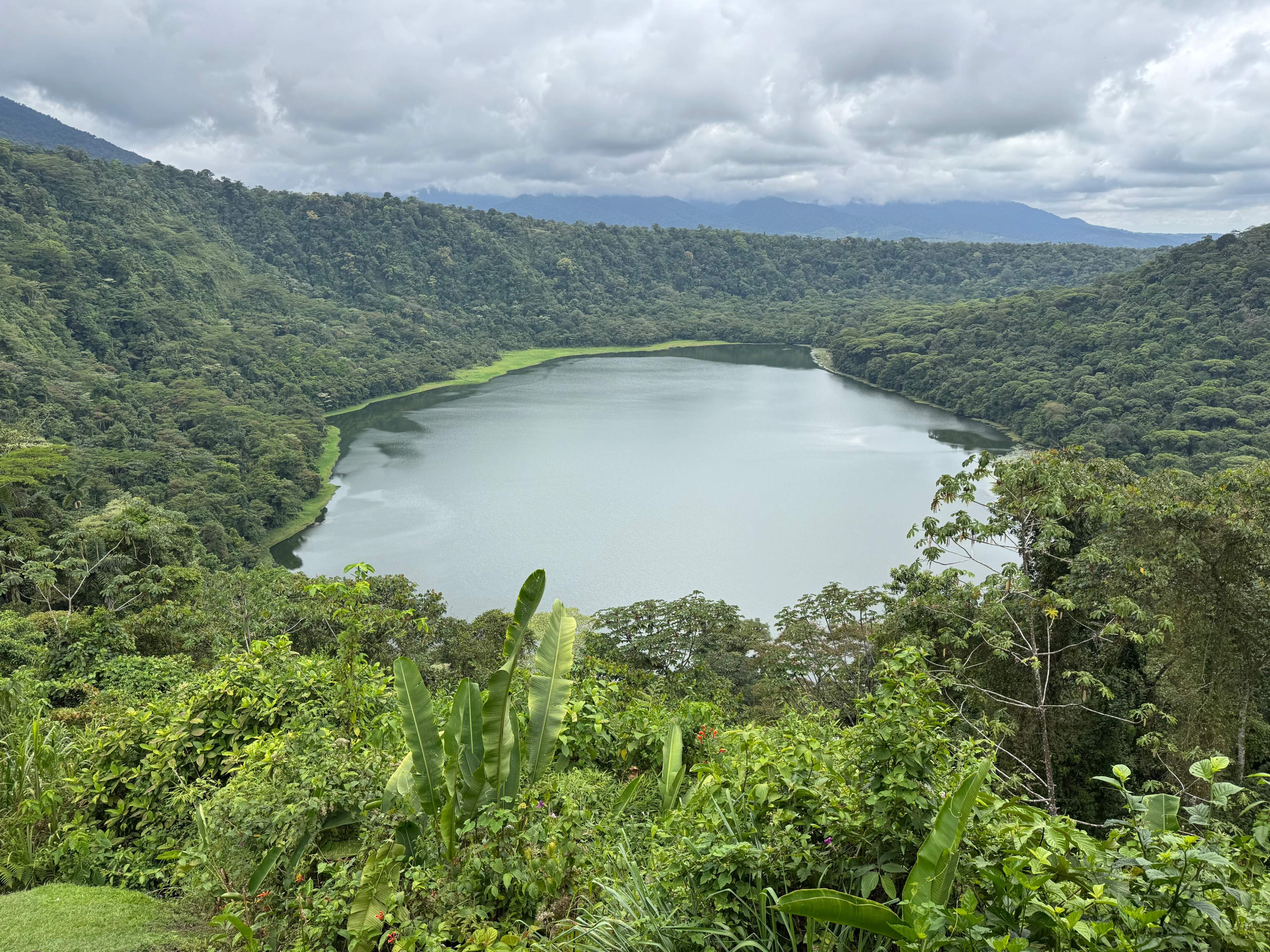
If every other attraction in Bajos del Toro is about waterfalls, Laguna de Hule is something completely different: three volcanic crater lakes, Hule, Congo, and Bosque Alegre, sitting inside the collapsed caldera of the extinct Congo Volcano, surrounded by primary rainforest, and visited by so few people that you may not see another human during your hike.
This isn't a polished attraction with ticket offices and groomed trails. Laguna de Hule is a protected wildlife refuge (Refugio de Vida Silvestre Mixto Bosque Alegre) that remains essentially wild. The trail can be muddy, the markings are basic, and there's nothing at the lagoons except water, forest, and silence. That's exactly why it's worth going.
Quick Facts
- Location
- Bosque Alegre Wildlife Refuge, near Río Cuarto, Alajuela, about 6 km from Nueva Cinchona along a gravel access road.
- Best Time to Visit
- December to April (dry season)
What to Expect
What It Is
The Congo Volcano last erupted approximately 11,000 years ago, well past the threshold for "extinct." What it left behind is a massive caldera that filled with water and forest over millennia, creating three interconnected lakes of remarkable beauty:
Laguna de Hule ("Rubber Lagoon"), The largest lake, 55 hectares (136 acres), and the main destination. Deep emerald-green water surrounded by primary rainforest. Kayaking is available. The scale is impressive, standing at the mirador, the lake fills your entire field of vision, with forested hills rising on all sides.
Laguna Congo, Smaller, with distinctive green water. Reached by continuing the trail past Laguna de Hule. Quieter and more secluded, if Laguna de Hule is empty, Laguna Congo is even emptier.
Laguna Bosque Alegre, The smallest of the three. Fewer visitors make it here, and information is limited. Reaching all three lakes requires the full circuit.
The entire area is part of the Bosque Alegre Wildlife Refuge, created to protect the volcanic crater, its forest cover, the rich biodiversity within it, and the water sources that feed surrounding communities.
The Hike
Trail Overview
Full circuit (all three lakes): ~8–12 km round trip, depending on route. 4–5 hours.
Shorter option (Laguna de Hule only): ~2 km from the mirador viewpoint. 1 hour round trip.
Hule + Congo loop: ~8 km (5 miles). 2.5–3 hours.
Difficulty: Moderate. The trail involves significant elevation change as you descend into the caldera and climb back out. Terrain includes pastureland, clay paths, volcanic rock, and sections through dense rainforest that can be muddy and uneven.
What to Expect
The viewpoint: Most visitors start at the "Mirador Bosque Alegre" parking area, which offers a panoramic view of Laguna de Hule before you descend. This alone is worth the drive, the emerald lake set inside forested hills is a stunning introduction.
The descent: From the mirador, the trail descends into the caldera through pastures bordering the forest, then into rainforest as you approach the lakeshore. The descent is steady and the path can be slippery in wet conditions. Proper hiking shoes are essential, not sandals or tennis shoes.
At the lakes: Once at the lakeshore of Laguna de Hule, the atmosphere shifts completely. The scale of the lake, the silence, and the wall of forest surrounding you create a sense of deep isolation. You can walk along the shore or continue the trail to Laguna Congo.
The trail to Congo: Continues through dense tropical vegetation, climbing over a ridge between the two lake basins. The trail is marked with colored ribbons on trees, but markings can be inconsistent. Pay attention and don't rush. The payoff: Laguna Congo, with its green-tinged water and even deeper sense of remoteness.
The return: You climb back out of the caldera the way you came. The ascent is the hardest part of the hike, take it slowly.
Wildlife
The Bosque Alegre refuge is rich in biodiversity. Keep your eyes open for:
• Toucans (frequently spotted along the trail)
• Various tropical bird species (birders bring binoculars)
• Howler and white-faced monkeys
• Three-toed sloths (rare but present)
• Frogs and butterflies in abundance
The area is also home to snakes, stay on the trail, watch where you step, and be aware of your surroundings. This is true of any Costa Rican rainforest hike.
Practical Information
Access and Getting There
Location: Los Ángeles Sur de Río Cuarto, Province of Alajuela. Between Braulio Carrillo National Park and Juan Castro Blanco National Park.
Access routes:
• From Bajos del Toro: Take Route 708 toward Colonia del Toro, then follow signs to Laguna Hule / Bosque Alegre. Gravel road for the last section.
• From La Fortuna: ~1.5 hours drive through the plains of San Carlos.
• From San José: ~2 hours via Vara Blanca (same direction as Poás Volcano). At Cariblanco area, follow signs toward Laguna Hule.
Road condition: The last 2+ km to the mirador is gravel, drivable in any car if you go slowly, but a higher-clearance vehicle is more comfortable.
Cost
Entry is free. Small parking fee at the mirador (~₡2,000 / $4). Worth paying, your car is watched while you hike.
Facilities
Essentially none. No visitor center, no restrooms on trail, no food service at the lakes. One or two small restaurants near the mirador area may be open. Bring everything you need: water (1.5+ liters), snacks/lunch, rain jacket, insect repellent, sunscreen.
Kayaking
Kayaking on Laguna de Hule is possible. Some La Fortuna tour operators offer guided kayaking trips. You can also arrange kayak rental locally.
Guided Tours
Several La Fortuna-based operators offer guided hikes:
• Ecoterra Costa Rica, Full-day tour from La Fortuna including transport, guide, entrance, snacks, and traditional lunch.
• Aventuras Bajo Radar, Community-focused guided group hikes.
A guide is recommended for the full circuit (all three lakes). The shorter Laguna de Hule-only option is fine self-guided.
What to Bring
• Hiking shoes (mandatory, trail is muddy, rocky, uneven)
• Long pants recommended
• Rain jacket or poncho
• Insect repellent (essential)
• 1.5+ liters of water per person
• Snacks or lunch
• Camera with zoom, binoculars for birding
• Change of clothes for after the hike
• Cash for parking
When to Visit
Best season: Dry season (December–April) for trail conditions and clear views. Very muddy in rainy season.
Best day: Any day, this place is empty even on weekends.
Best time of day: Start early (7:30–8:00 AM) for wildlife, cool temperatures, and clear views.
Why It Matters
Laguna de Hule is a fundamentally different experience from the waterfalls of Bajos del Toro. It's about scale, silence, and wildness. The volcanic crater, untouched forest, and lake surface reflecting nothing but sky and trees, this is Costa Rica as it existed before tourism.
It also completes the geological story of the region. Catarata del Toro falls into a volcanic crater. Blue Falls gets its color from volcanic minerals. Río Agrio is acidic from volcanic activity. Laguna de Hule shows you the volcano itself, extinct, collapsed, filled with water and life.
Best combined with: A morning at the lagoons, afternoon at a Bajos del Toro waterfall. Or as a dedicated day for travelers who've done the main waterfalls and want something completely different.
Tips from a Local
Frequently Asked Questions
How do you get to Laguna de Hule and do you need a 4x4?
Laguna de Hule is in Los Ángeles Sur de Río Cuarto, Alajuela, between Braulio Carrillo and Juan Castro Blanco national parks. From Bajos del Toro take Route 708 toward Colonia del Toro and follow signs to Laguna Hule / Bosque Alegre; it's about 1.5 hours from La Fortuna and 2 hours from San José via Vara Blanca. The last 2+ km to the mirador is gravel and drivable in any car if you go slowly, though a higher-clearance vehicle is more comfortable.
Is there an entrance fee for Laguna de Hule?
Entry to the wildlife refuge is free. There is only a small parking fee at the mirador of about ₡2,000 (around $4), which is worth paying because your car is watched while you hike. Bring cash, as there is no ticket office or card payment on site.
How hard is the hike to Laguna de Hule and how long does it take?
The trail is moderate but involves significant elevation change as you descend into the caldera and climb back out, with the ascent being the hardest part. The short option to Laguna de Hule only is about 2 km from the mirador (roughly 1 hour round trip), while the Hule + Congo loop is about 8 km (2.5–3 hours) and the full circuit of all three lakes runs 8–12 km over 4–5 hours. Terrain includes pastureland, clay paths, volcanic rock, and muddy rainforest sections, so proper hiking shoes are essential.
What wildlife can you see at Laguna de Hule?
The Bosque Alegre refuge is rich in biodiversity, and toucans are frequently spotted along the trail along with various tropical bird species, so birders should bring binoculars. You may also see howler and white-faced monkeys, three-toed sloths (rare but present), and abundant frogs and butterflies. The area is home to snakes as well, so stay on the trail and watch where you step, as on any Costa Rican rainforest hike.
Can you go kayaking on Laguna de Hule?
Yes, kayaking on Laguna de Hule is possible. Some La Fortuna tour operators offer guided kayaking trips, and you can also arrange a kayak rental locally. Laguna de Hule is the largest of the three lakes at 55 hectares, with deep emerald-green water surrounded by primary rainforest.
When is the best time to visit Laguna de Hule?
The best season is the dry season, December to April, for better trail conditions and clear views, as the trail gets very muddy in the rainy season. Any day works because the place is empty even on weekends, and starting early around 7:30–8:00 AM gives you the best chance for wildlife, cooler temperatures, and clear views. Plan on 3–5 hours round trip depending on which route you take.
Do you need a guide to hike Laguna de Hule, and what facilities are there?
A guide is not mandatory: the shorter Laguna de Hule-only option is fine self-guided, but a guide is recommended for the full circuit of all three lakes since the trail to Congo is marked only with colored ribbons that can be inconsistent. Facilities are essentially none, with no visitor center, no restrooms on the trail, and no food service at the lakes, though one or two small restaurants near the mirador may be open. Bring everything you need, including 1.5+ liters of water per person, snacks, a rain jacket, insect repellent, and hiking shoes, and note there is no cell service on the trail.
Good to Know
- Cell Service
- No cell service on the trail
- Payment
- Cash only (colones). There are no facilities on site, so bring everything you need.
- Accessibility
- Not accessible. The final gravel road is often in poor condition (a 4x4 is recommended, especially in the rainy season) and the trail is unpaved with elevation gain.
- What to Bring
- Waterproof hiking boots, rain jacket, water, snacks, binoculars
Continue Exploring
More guides and resources to help you plan your trip
 Area Guide
Venecia & Rio Cuarto: The Alternative Base for Costa Rica's Northern Interior
Where the cloud forest meets the lowlands, hot springs, canyoning, and zero tourists. The best base for exploring Bajos del Toro.
 Nature
Laguna de Río Cuarto: A Perfect Volcanic Crater Lake
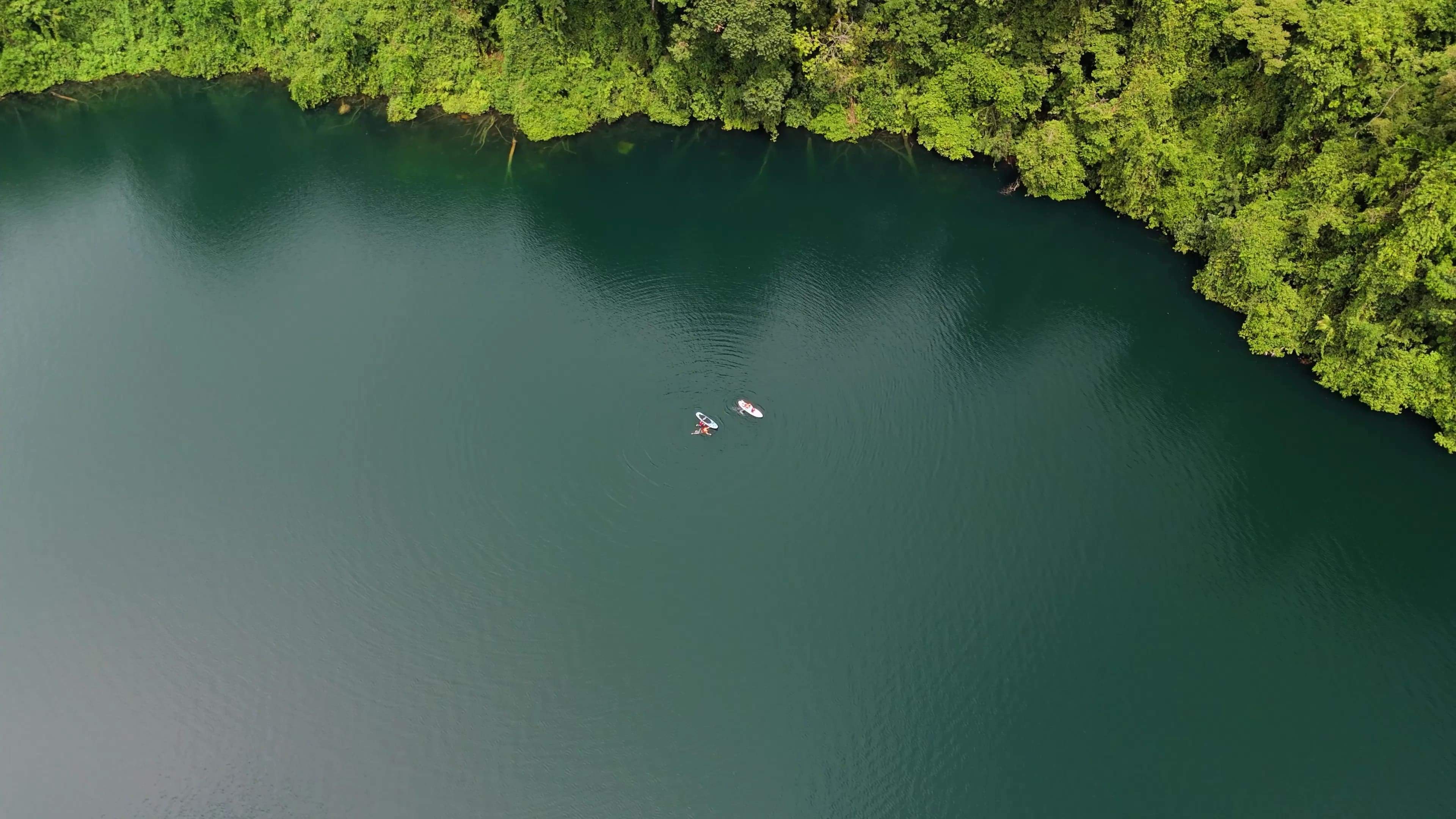
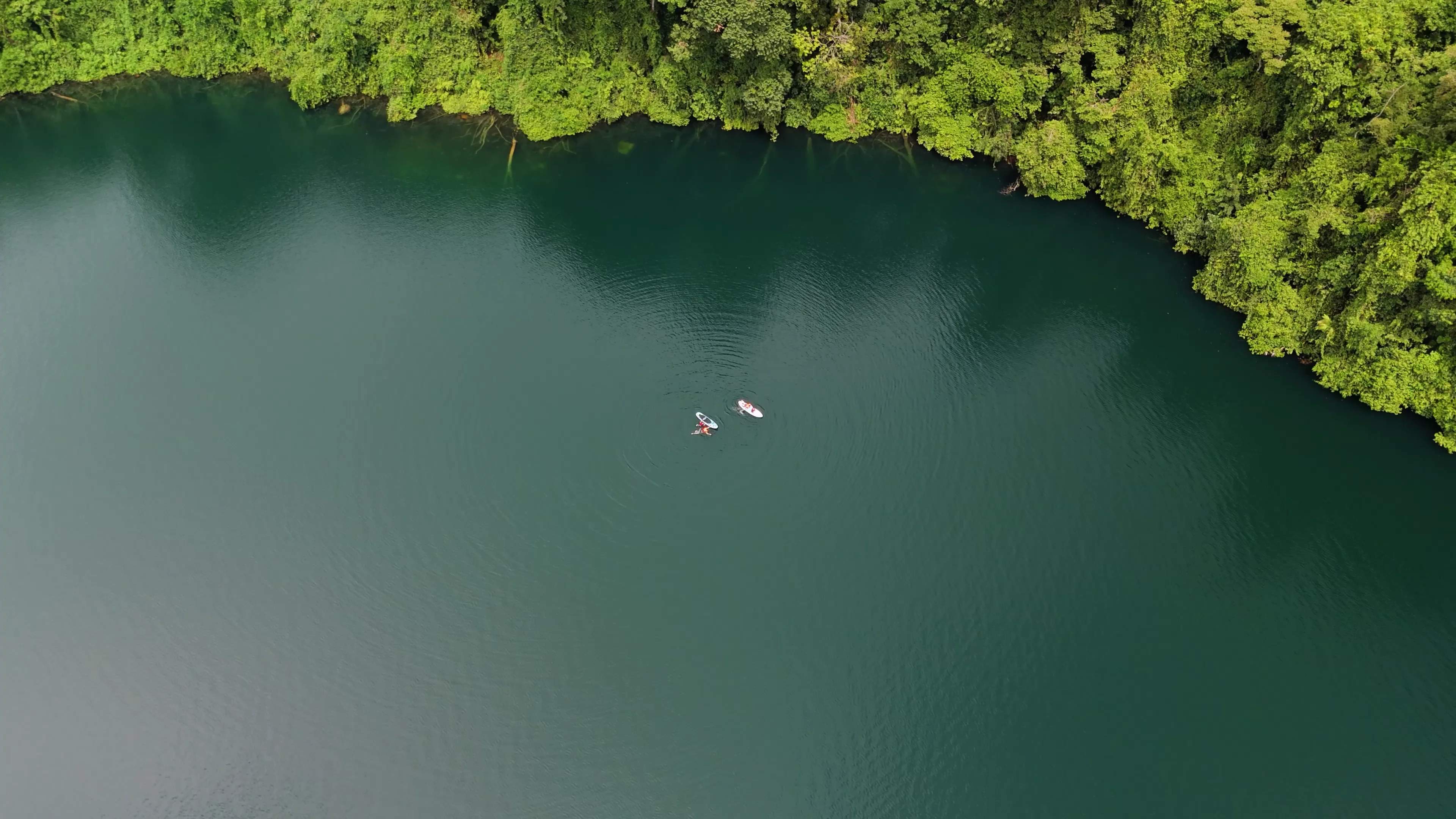
Emerald-green water in a perfectly circular volcanic crater, with kayaking, paddleboarding, and almost no tourists, 75 minutes from La Fortuna.
 Hot Springs
Recreo Verde Hot Springs: Costa Rica's $10 Alternative to Tabacón
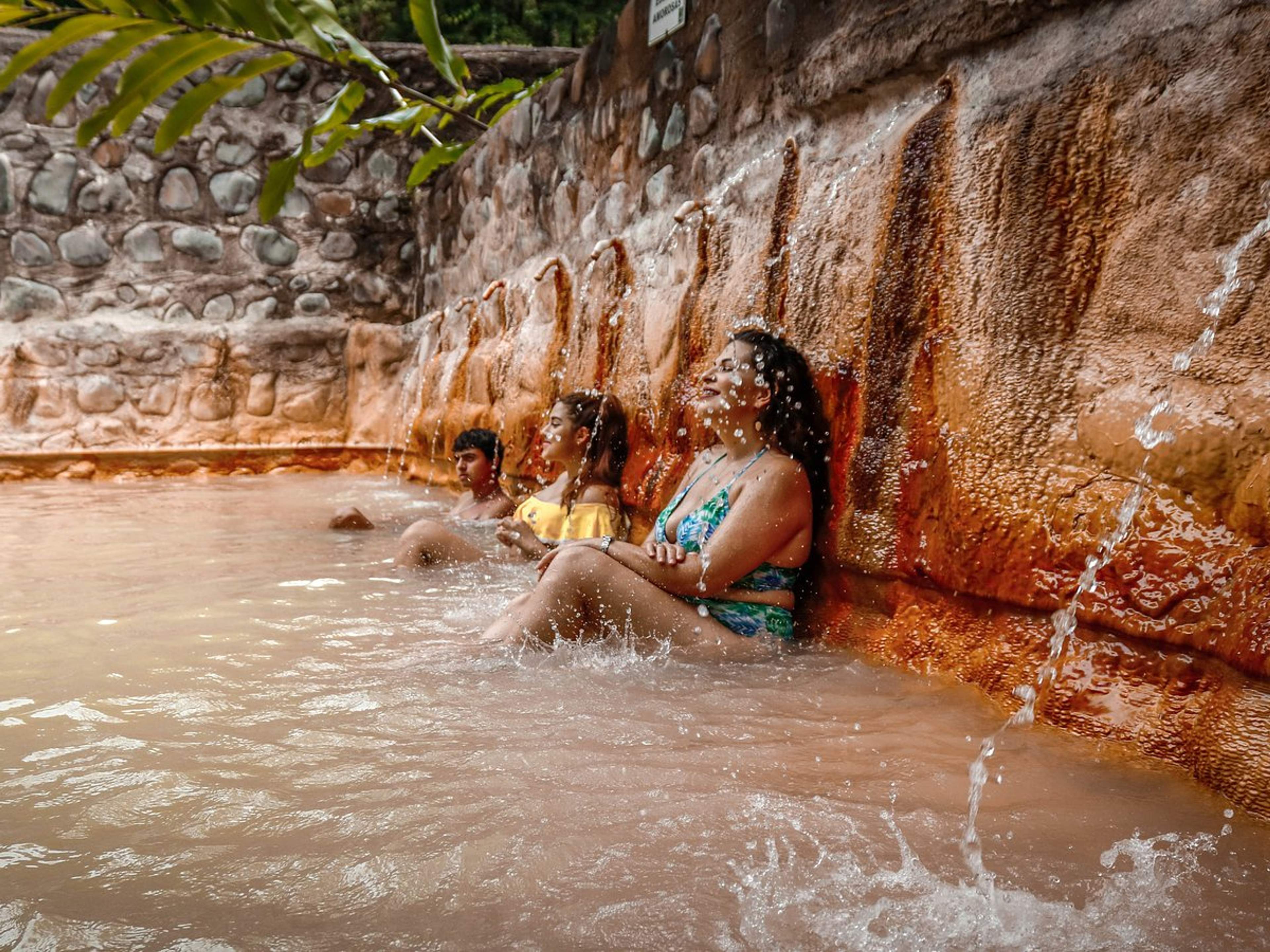
Natural mineral hot springs in the cloud forest, with canopy tours, hiking, and a spa, at a fraction of La Fortuna resort prices.