
Here's the standard Costa Rica trip: Fly into San José. Drive to La Fortuna. See Arenal Volcano, soak in hot springs, walk a hanging bridge. Drive to Monteverde. Zipline through cloud forest. Drive to Manuel Antonio or Tamarindo. Beach for three days. Fly home.
It's a good trip. You'll see beautiful things, eat well, and come back with photos that make your friends jealous. There's a reason those places are popular, they're genuinely spectacular.
But here's what most travel sites don't tell you: that itinerary covers maybe 5% of what Costa Rica actually offers. The other 95%, the volcanic crater lakes, the turquoise river canyons, the cloud forest waterfalls where you're the only person standing there, the hot springs that aren't resorts, the villages where the traditions are older than the tourist industry, is right there, often within an hour of the places you were already going. You just need someone to point you toward it.
That's what this site is for.
The Problem With "Off the Beaten Path"
Every travel blog claims to show you "hidden gems" and "off-the-beaten-path" experiences. Then they recommend the same five destinations every other blog recommends. La Fortuna, Manuel Antonio, Monteverde, Tamarindo, Tortuguero. Maybe Drake Bay if they're feeling adventurous.
These aren't hidden gems. They're the beaten path. They're wonderful places, we're not gatekeeping, and we'd never tell you to skip them. But the phrase "off the beaten path" has become meaningless when every "insider guide" leads to the same ZIP code.
Real off-the-beaten-path in Costa Rica looks like this:
A 90-meter waterfall plunging into an extinct volcanic crater, where you might be the only visitor all morning. A river canyon so covered in prehistoric ferns that a film crew wouldn't need to add special effects to make it look Jurassic. Six waterfalls with naturally turquoise water where you can actually swim, unlike the famous blue river where swimming is prohibited. A UNESCO-recognized tradition of hand-painted oxcarts in a small town with zero foreign tourists. A hot spring that's just a hot spring, no resort, no swim-up bar, no $50 entrance fee. Just volcanic water in the forest.
All of these places exist. Most are within 90 minutes of San José or La Fortuna. None appear in mainstream guidebooks. Some don't have websites.
Why These Places Stay Hidden
It's not a conspiracy. It's economics.
The Costa Rican tourism industry is efficient. Airports feed into shuttles that feed into hotels that feed into tour companies that feed into the same rotation of activities. This system works well for operators (predictable volume, established infrastructure, reliable revenue) and works reasonably well for tourists (convenient, safe, well-reviewed). The result is a well-oiled machine that routes hundreds of thousands of visitors through the same corridors every year.
The places that aren't part of this system, the ones without shuttle connections, without TripAdvisor presences, without English-language marketing, stay invisible to foreign visitors even when they're spectacularly beautiful.
Take Bajos del Toro. This small cloud forest town sits almost exactly between San José and La Fortuna, a region that hundreds of thousands of tourists drive near every year. It has more accessible waterfalls per square kilometer than anywhere else in the country. Its volcanic geology produces canyon formations and blue-water rivers that rival anything in the national parks. But because there's no international hotel chain, no tour operator network, and no airport shuttle, most English-language travel sites either don't mention it or give it a single paragraph.
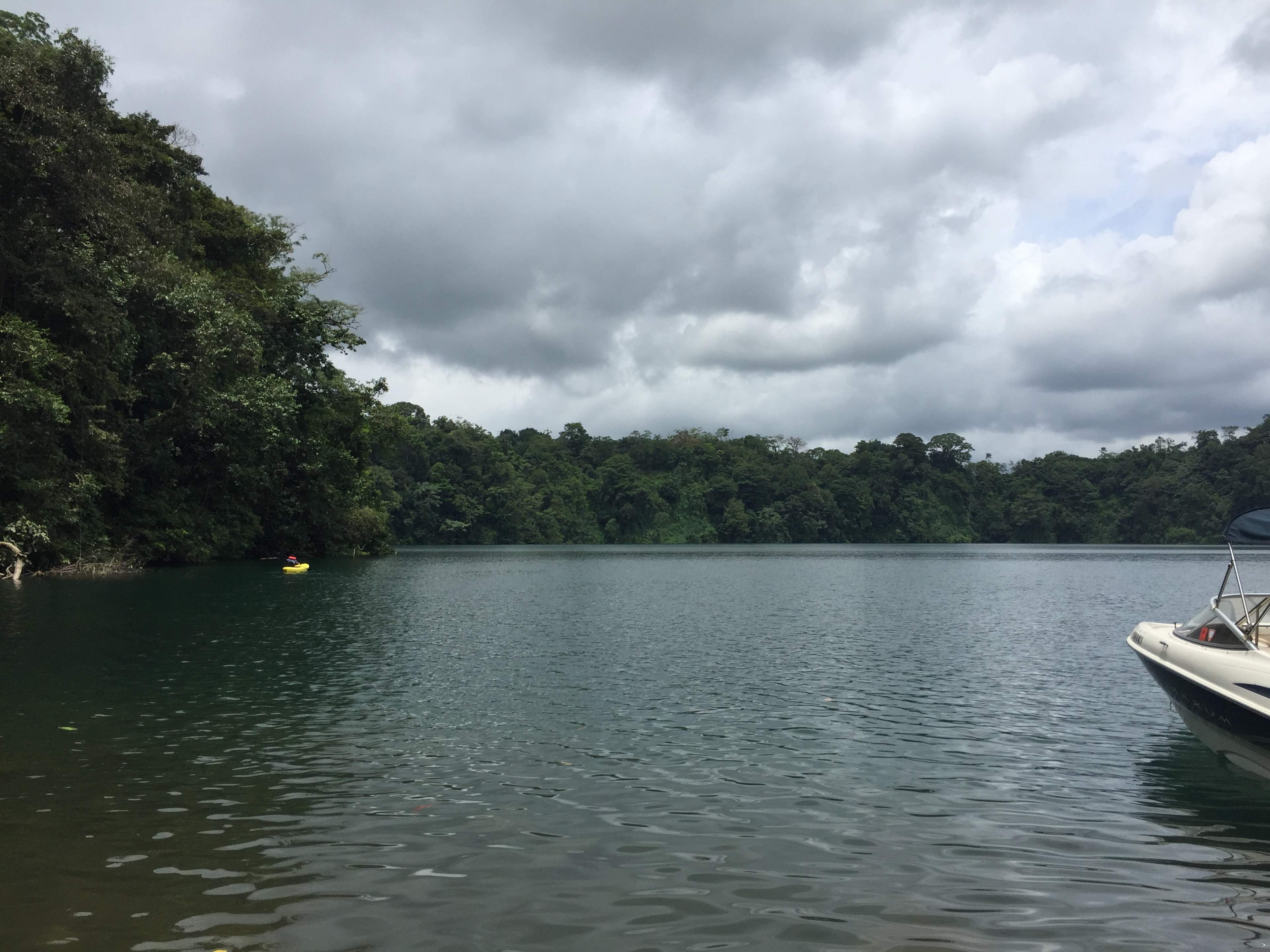
Or take Río Cuarto. A perfectly circular volcanic crater lake, one of the most photogenic natural features in Central America, with kayak and paddleboard access. It's an hour from La Fortuna. Most visitors to La Fortuna have never heard of it.
Or Sarapiquí. The best whitewater rafting and wildlife safari floats in the country, through jungle where you'll see sloths, monkeys, toucans, and poison dart frogs from the water. An hour from San José. Overshadowed by La Fortuna's marketing machine.
These places don't need "discovery." They've been there for thousands of years, and Costa Ricans know them well. What they need is someone to explain them to foreign visitors in a way that makes planning a visit easy.
How We Think About Travel Content
Most Costa Rica travel sites make their money through affiliate commissions, they get a percentage when you click their link to book a rental car, a hotel, or a tour. There's nothing inherently wrong with that, but it shapes what they recommend. A blog earning commission on a $200/night hotel has less incentive to tell you about the $45/night Airbnb that's actually closer to the waterfall.
We're not running affiliate links. Our perspective comes from living in this region, hosting guests, and spending years exploring the places we write about. When we say a waterfall is worth the drive, it's because we've driven it. When we say a road is rough, it's because we've been on it. When we say a tour operator is good, it's because our guests have used them and told us about it.
That doesn't make us objective in the traditional sense, we have a region we know and love, and we'll always recommend it. But it does mean our recommendations aren't shaped by who's paying us the highest commission. They're shaped by what we'd tell a friend visiting for the first time.
What You'll Find Here
Honest practical details. GPS coordinates, realistic drive times, current prices, trail difficulty that matches reality (not marketing). When something is hard, we say so. When something is overrated, we say so.
The things other sites leave out. Which carrier has cell signal in cloud forest areas. Which "easy" hike actually has 350 stairs. Which "unlimited data" eSIM throttles you after 2 GB. The small details that make or break a travel day.
Places with almost zero English-language information. We're building guides for attractions that don't have websites, don't show up on Google Maps reliably, and have never been reviewed on TripAdvisor in English. Some of these places are the best things we've found in Costa Rica.
A focus on the Northern Interior. We know the area between San José and La Fortuna, the cloud forests, volcanic landscapes, and rural communities, better than any English-language travel resource. That's our home territory. We cover other regions too, but this is where our knowledge is deepest and where we can offer things no one else can.
The Regions Most Tourists Miss
Bajos del Toro, The Waterfall Capital
A tiny cloud forest town in a volcanic caldera with the highest density of accessible waterfalls in Costa Rica. Catarata del Toro (90m into a crater), Blue Falls (six turquoise waterfalls you can swim in), Jurassic Canyon (a prehistoric river canyon), Tesoro Escondido, Río Agrio, Vuelta del Cañón, and more, all within 15 minutes of each other. Two hours from San José, 90 minutes from La Fortuna. Almost no foreign tourists.
Venecia & Marsella, The Adventure Base
A small agricultural town at the foot of the mountains, positioned perfectly between Bajos del Toro's waterfalls and La Fortuna's volcano. ATV tours through cloud forest with views of Arenal, canyoneering down waterfalls, natural hot springs without resort prices, and a UNESCO-recognized oxcart museum. This is where you stay when you want to explore the Northern Interior without tourist markup.
Sarapiquí, The Wildlife River
The Río Sarapiquí and its tributaries offer some of the best wildlife-viewing in Costa Rica, by boat. Safari floats take you through lowland rainforest where sloths, howler monkeys, toucans, and caimans are regular sightings. Whitewater rafting (Class III–IV) through the same jungle. Night wildlife tours for poison dart frogs, sleeping toucans, and tarantulas. An hour from San José, often combined with Braulio Carrillo National Park.
Río Cuarto, The Crater Lake
A volcanic crater lake so perfectly circular it looks artificial. Deep blue-green water surrounded by rainforest, with kayak and paddleboard access. One of the most photogenic natural features in Central America, and almost unknown to foreign visitors. An hour and fifteen minutes from La Fortuna.
Zarcero, The Roadside Wonder
On the road between San José and the Northern Zone, the topiary gardens of Francisco Alvarado Park feature trees sculpted into arches, elephants, bulls, and abstract shapes by a local artist who has been maintaining them for decades. It's a 15-minute stop on a drive you were making anyway, and it's unlike anything else in the country.
How to Build a Different Kind of Trip
You don't have to choose between the famous places and the hidden ones. The best Costa Rica trips include both, anchored by the well-known highlights with detours into the places that make the trip feel genuinely yours.
Here's the framework we suggest:
Add a Day in the Middle
If your itinerary already goes from San José to La Fortuna (or vice versa), add a day in the Bajos del Toro area. It's directly between the two. Instead of driving the standard 3-hour route, split it: spend the morning at Catarata del Toro and Blue Falls, stay overnight in the cloud forest, continue to La Fortuna the next day. You've now seen waterfalls that most tourists don't know exist, in a setting that feels completely different from Arenal.
Replace One Famous Thing With One Hidden Thing
Instead of La Paz Waterfall Gardens ($48, crowded, 20 minutes from San José), try Catarata del Toro + Blue Falls combo ($25, uncrowded, 2 hours from San José). The drive is longer. The experience is incomparably better.
Instead of the most-booked La Fortuna hot springs ($50+, resort atmosphere), try natural hot springs near Marsella (fraction of the price, no crowds, volcanic water in the forest).
Instead of the touristy hanging bridges near Arenal ($26–30), try a safari float on the Río Sarapiquí ($50–65 including transport). You'll see more wildlife from the water in one hour than you would in a full day on the bridges.
Use a Different Base
La Fortuna is the default base for the Northern Zone, and it works well, great restaurants, good infrastructure, easy access to the volcano. But if waterfalls, cloud forest, and authenticity matter more to you than restaurant variety, consider basing yourself in Venecia, Marsella, or even Bajos del Toro itself. You'll be 30–45 minutes from La Fortuna for the things worth doing there, and minutes from experiences that La Fortuna visitors never find.
What This Isn't
This isn't a site that tells you the famous places are bad. They're not. La Fortuna Waterfall is genuinely beautiful. Monteverde's cloud forest is world-class. Manuel Antonio's combination of beach and jungle is remarkable. See them.
This isn't a site that pretends to have "discovered" anything. Costa Ricans know these places. They've been visiting them for generations. We're just describing them in English with the practical details that make them accessible to foreign visitors.
This isn't a site that romanticizes difficulty. We don't think a place is automatically better because it's hard to reach. Some of the best experiences on this site are easy, Río Agrio is a flat walk, Llanos de Cortés is 10 minutes from a highway, the Catarata del Toro upper viewpoints don't require any stairs. But we're honest when something IS difficult, because there's nothing worse than expecting an easy stroll and finding 350 stairs.
And this isn't an AI-generated content farm. We use AI tools for research and writing assistance (every modern publication does), but every recommendation comes from personal experience, guest feedback, or local knowledge. We're building a field-verification process where every GPS coordinate, price, and trail description gets confirmed in person. If we can't confirm something, we leave it out rather than guess.
Have a question about planning a trip to the areas we cover? We're building this site to be the most useful English-language resource for Costa Rica's Northern Interior. If something's missing or unclear, that's feedback we want to hear.